Category: Food

  • Street Food and Clean Plates: How Hygiene Is Slowly Changing on India’s Roads

    Street Food and Clean Plates: How Hygiene Is Slowly Changing on India’s Roads

    There’s something about street food that no restaurant can quite replicate. Maybe it’s the chaos, the aromas blending into one another, or that familiar vendor who knows exactly how spicy you like your chaat. It’s personal. It’s alive.

    But let’s be honest—there’s always been a quiet hesitation too. That little voice in your head asking, “Is this safe?” You ignore it sometimes, give in to the craving, and hope for the best.

    What’s interesting now is that things are beginning to change. Not dramatically, not everywhere—but noticeably enough to feel like a shift is happening.


    The Hygiene Question That Never Really Left

    For years, street food hygiene in India has been a mixed bag. Some vendors take pride in cleanliness, while others operate in conditions that make you think twice.

    The challenge has never been about awareness alone. Most vendors understand basic hygiene. The real issue has been access—access to clean water, proper waste disposal, and structured training.

    Without infrastructure, even the best intentions can fall short.


    Small Changes, Real Impact

    If you walk through certain cities today, you’ll start noticing subtle differences. Vendors wearing gloves, hairnets, sometimes even aprons. Stainless steel carts replacing older wooden setups. Covered storage instead of open trays.

    These aren’t random improvements. They’re often part of organized efforts—by local authorities, NGOs, or even private food platforms trying to raise standards.

    It’s not perfect. But it’s progress.


    Training Vendors, Not Just Regulating Them

    One of the more effective approaches has been education.

    Instead of simply imposing rules, some initiatives focus on training vendors—teaching them about food safety, personal hygiene, and basic sanitation practices. The idea is simple: when people understand why something matters, they’re more likely to follow through.

    Workshops, certification programs, even short awareness drives have started making their way into different parts of the country.

    And slowly, that knowledge trickles into daily practice.


    The Bigger Picture Behind These Efforts

    If you step back and look at it more closely, Street food hygiene improve karne ke naye initiatives aren’t just about cleanliness—they’re about trust.

    Street food is a huge part of India’s food culture and economy. Millions depend on it, both as vendors and consumers. Improving hygiene isn’t just a health concern; it’s a way to sustain this ecosystem.

    When people feel safer eating street food, they’re more likely to support it. That’s good for business, and ultimately, for the vendors themselves.


    Technology Is Playing a Role Too

    It’s not just offline efforts. Technology is quietly stepping in as well.

    Some cities have introduced digital registration systems for vendors. Others are experimenting with QR codes that display hygiene ratings or certifications. Food delivery platforms, too, have started setting minimum hygiene standards for the vendors they onboard.

    It’s a blend of old-school street culture and modern accountability. And while it might feel a bit unusual at first, it’s helping create a sense of transparency.


    Challenges That Still Exist

    Of course, it’s not all smooth.

    Infrastructure remains a major hurdle. Not every vendor has access to clean water or proper waste disposal systems. In crowded areas, maintaining hygiene can be genuinely difficult, no matter how careful someone is.

    There’s also the cost factor. Upgrading equipment or maintaining certain standards can be expensive, especially for small vendors working on tight margins.

    And then there’s consistency. Improvements might be visible in some areas, while others lag behind.


    Consumers Are Changing Too

    Interestingly, the demand side is evolving as well.

    People are more aware now. They notice cleanliness. They prefer vendors who maintain basic hygiene. Sometimes, they’re even willing to pay a little extra for that assurance.

    This shift in consumer behavior is subtle but powerful. It creates an incentive for vendors to adapt—not because they’re forced to, but because it makes business sense.


    A Balance Between Tradition and Change

    One concern that often comes up is whether these changes might take away from the essence of street food.

    Will it feel too commercial? Too sanitized?

    Maybe. In some cases, yes. But in most situations, it’s more about balance. Keeping the authenticity intact while improving the conditions in which the food is prepared.

    You can still have that spicy pani puri or sizzling pav bhaji—just made with a little more care behind the scenes.


    Where Things Might Be Heading

    It’s unlikely that street food hygiene will become uniformly perfect across the country anytime soon. The scale is simply too large.

    But the direction matters. And right now, the direction seems positive.

    More awareness, better training, gradual infrastructure improvements—it all adds up over time. Not in a dramatic way, but in a steady, almost quiet transformation.


    The Next Time You Stop at a Street Stall

    Maybe you’ll notice the gloves. Or the cleaner setup. Or the way food is stored a little more carefully than before.

    Or maybe you won’t notice anything at all—and that’s kind of the point.

    Because when hygiene becomes normal, not exceptional, it stops being something you think about.

    You just enjoy the food.

  • Back to the Basics: What Happens When You Add Millets to Your Daily Diet?

    Back to the Basics: What Happens When You Add Millets to Your Daily Diet?

    There’s a quiet comeback happening in Indian kitchens. Not loud, not flashy — just a slow return to something familiar. Millets, once considered “poor man’s grains,” are suddenly showing up in cafes, nutrition plans, even Instagram reels. And if you grew up in a household where bajra roti or jowar bhakri was normal, this shift probably feels a bit ironic.

    But trends aside, people aren’t just eating millets because they’re trendy. They’re asking deeper questions — about health, digestion, lifestyle diseases. And somewhere in that curiosity lies a very real concern: Millets-based diet ka health par real impact.

    What Makes Millets Different?

    Let’s start with the basics. Millets aren’t a single grain — they’re a group. Bajra, jowar, ragi, foxtail millet… each has its own nutritional profile, but they share a few common traits.

    They’re naturally rich in fiber, packed with minerals like iron and magnesium, and have a lower glycemic index compared to polished rice or refined wheat. That means they release energy more slowly, helping avoid sudden spikes in blood sugar.

    Sounds great on paper, right? But nutrition isn’t just about numbers — it’s about how your body actually responds.

    The Digestive Shift You Might Notice

    One of the first things people experience when switching to millets is a change in digestion. Sometimes it’s positive — better gut health, less bloating, more regularity. Other times, especially in the beginning, it can feel… uncomfortable.

    That’s because millets are high in fiber. If your body isn’t used to it, the transition can take time. It’s a bit like suddenly deciding to exercise after months of inactivity — the intention is good, but the body needs to adjust.

    The key here is gradual change. Replace one meal at a time instead of overhauling everything overnight.

    Blood Sugar and Energy Levels

    For people managing diabetes or trying to stabilize energy levels, millets can be genuinely helpful.

    Unlike refined grains, which digest quickly and cause sugar spikes, millets release glucose slowly. This leads to more stable energy throughout the day. You don’t get that sudden crash after a heavy meal.

    But again, portion matters. Eating large quantities — even of healthy grains — won’t magically fix blood sugar issues. Balance still plays a role.

    Weight Management: Not a Magic Fix

    Millets are often marketed as a weight-loss solution. And yes, their high fiber content can help you feel full for longer, which may reduce unnecessary snacking.

    But they’re not a shortcut.

    Weight management depends on overall lifestyle — diet, activity, sleep, stress. Simply swapping rice for millet without adjusting other habits might not make a significant difference.

    Still, as part of a balanced approach, millets can support healthier eating patterns.

    Nutrient Density That Actually Matters

    One thing that often gets overlooked is how nutrient-dense millets are. Ragi, for example, is rich in calcium. Bajra offers good amounts of iron. These are nutrients many people lack, especially in modern diets dominated by processed foods.

    That said, there’s a small catch. Some millets contain anti-nutrients like phytates, which can interfere with mineral absorption. Traditional preparation methods — soaking, fermenting, cooking properly — help reduce this effect.

    It’s interesting how older cooking practices often had science behind them, even if people didn’t call it that.

    Taste and Practicality: The Real Challenge

    Let’s be honest — not everyone loves the taste of millets immediately. They can feel heavier, slightly earthy, sometimes even dry compared to soft wheat rotis or fluffy rice.

    And then there’s convenience. Cooking millets can take a bit more effort, especially if you’re used to quick meals.

    This is probably the biggest reason why many people start but don’t stick with a millet-based diet. It’s not about health awareness — it’s about habit and practicality.

    Making It Work in Real Life

    Instead of forcing a complete switch, it helps to integrate millets slowly and creatively.

    Mix millet flour with wheat for rotis. Try millet-based breakfast options like upma or porridge. Use them in dosas or idlis. Small changes feel less overwhelming and are easier to sustain.

    Also, variety matters. Rotating between different millets keeps meals interesting and ensures a broader range of nutrients.

    So, What’s the Real Impact?

    The honest answer? It depends on how you use them.

    A millet-based diet can improve digestion, support better blood sugar control, and add valuable nutrients to your meals. But only if it’s balanced, well-prepared, and suited to your body’s needs.

    It’s not about replacing everything overnight or following a rigid plan. It’s about understanding your food a little better.

    A Return That Feels Personal

    Maybe what’s happening with millets isn’t just a health trend. Maybe it’s a subtle return to roots — to foods that were always part of the culture but got sidelined somewhere along the way.

    And in a world full of complicated diets and conflicting advice, that simplicity feels refreshing.

    Because sometimes, the best changes aren’t dramatic. They’re quiet, consistent, and rooted in something familiar.

  • Behind the Delivery Boom: How Cloud Kitchens Are Quietly Making Money in India

    Behind the Delivery Boom: How Cloud Kitchens Are Quietly Making Money in India

    If you’ve ordered food online in the last couple of years—and let’s be honest, most of us have—you’ve probably eaten from a cloud kitchen without even realizing it. No storefront, no dine-in space, sometimes not even a recognizable brand name. Just a menu on your phone, a few taps, and a delivery at your door.

    It’s a simple experience on the surface. But behind it sits a business model that’s surprisingly lean, a little experimental, and in many cases, quite profitable when done right.

    What Exactly Is a Cloud Kitchen?

    At its core, a cloud kitchen (also called a ghost kitchen or dark kitchen) is a delivery-only restaurant. No tables, no waiters, no front-facing presence. Everything revolves around preparing food for online orders.

    These kitchens often operate out of compact spaces, sometimes shared among multiple brands. One kitchen might run three or four different menus—say, biryani, Chinese, and burgers—all under separate brand names.

    It sounds a bit chaotic, but that’s actually where the efficiency comes in.

    Lower Costs, Higher Flexibility

    Traditional restaurants come with heavy overheads—rent for prime locations, interior design, staff for service, and so on. Cloud kitchens skip most of that.

    You don’t need a fancy address. You don’t need décor that impresses Instagram. What you do need is a well-optimized kitchen, reliable suppliers, and a system that can handle online orders smoothly.

    This lower cost structure gives cloud kitchens a major advantage. They can experiment more, pivot faster, and scale without the usual financial burden.

    But—and this is important—lower costs don’t automatically mean higher profits. Execution still matters.

    The Role of Food Delivery Platforms

    Platforms like Zomato and Swiggy are central to the cloud kitchen ecosystem.

    They bring visibility, traffic, and convenience. But they also take a commission, which can range anywhere from 15% to 30% per order. That’s a significant cut.

    For cloud kitchen owners, this creates a balancing act. You rely on these platforms for reach, but you also need to maintain margins.

    Some brands try to offset this by encouraging direct orders through their own apps or websites. Others focus on optimizing their menu pricing and portion sizes.

    There’s no one-size-fits-all approach here.

    Multiple Brands, One Kitchen

    One of the more fascinating aspects of cloud kitchens is the multi-brand strategy.

    Instead of running a single restaurant, operators often launch multiple virtual brands from the same kitchen. Each brand targets a different audience or cuisine.

    For example, a single kitchen could run a late-night snack brand, a healthy meal brand, and a comfort food brand—all at once. The ingredients might overlap, the staff is shared, but the branding feels distinct.

    It’s a clever way to maximize output without significantly increasing costs.

    Data-Driven Decisions

    Unlike traditional restaurants that rely heavily on intuition and experience, cloud kitchens have access to real-time data.

    What’s selling, what’s not, peak order times, customer preferences—it’s all tracked. This allows operators to tweak menus, pricing, and even branding based on actual performance.

    If a particular dish isn’t working, it can be replaced quickly. If a new cuisine is trending, it can be introduced without a full-scale relaunch.

    This agility is one of the biggest strengths of the model.

    So, How Do They Actually Make Money?

    At some point, the curiosity naturally turns into a practical question: Cloud kitchens ka profit model India me kaise kaam karta hai?

    The answer lies in a combination of factors—low overhead costs, efficient operations, smart pricing, and high order volumes.

    Profit margins often depend on how well a kitchen manages its costs. Ingredients, packaging, delivery commissions, and staff salaries all play a role. Even small inefficiencies can eat into profits.

    Successful cloud kitchens focus on consistency. Not just in food quality, but in operations. They streamline processes, reduce waste, and build menus that are both popular and cost-effective.

    It’s less about big margins on a single dish and more about steady, scalable income over time.

    Challenges That Can’t Be Ignored

    Of course, the model isn’t without its challenges.

    Competition is intense. Since entry barriers are relatively low, new brands keep popping up. Standing out in a crowded marketplace requires strong branding and consistent quality.

    There’s also the dependency on delivery platforms, which we touched on earlier. Any change in commission rates or algorithms can impact visibility and profitability.

    And then there’s customer loyalty—or the lack of it. With so many options available, customers often switch between brands based on offers, ratings, or even just mood.

    Building a loyal customer base takes effort.

    The Human Side of It

    What often gets overlooked in all this is the human element.

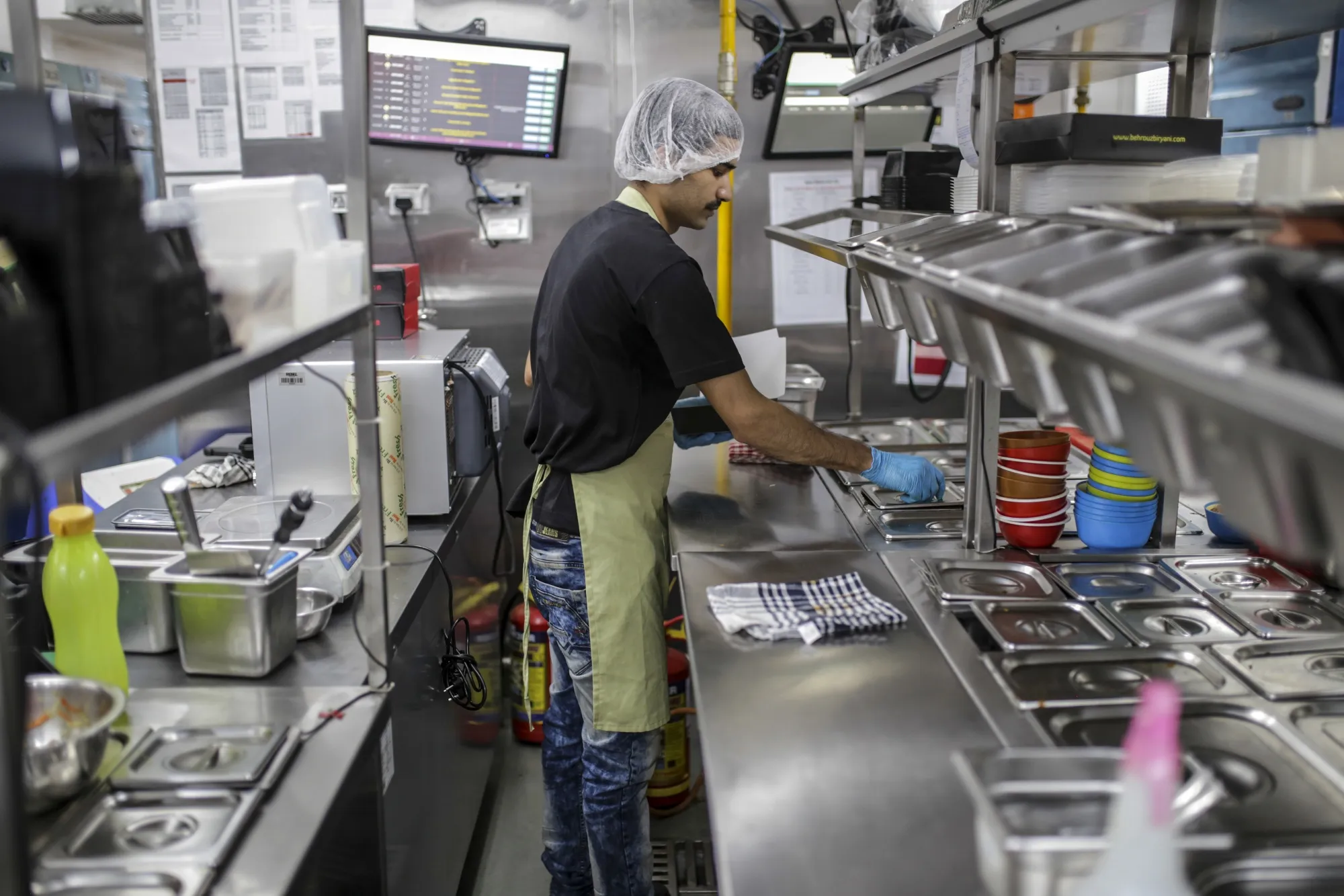
    Behind every cloud kitchen is a team—chefs, kitchen staff, delivery partners—working in a fast-paced, sometimes high-pressure environment. The lack of a physical restaurant doesn’t mean the work is any less demanding.

    In fact, the focus on speed and efficiency can make it even more intense.

    Final Thoughts

    Cloud kitchens are not just a trend—they’re a response to how people eat today. Convenience, variety, and speed have become priorities, and this model fits right into that lifestyle.

    For entrepreneurs, it offers a relatively accessible entry into the food business. For customers, it expands choices without adding complexity.

    Will it replace traditional restaurants? Probably not. There’s still something irreplaceable about dining out—the ambiance, the experience, the social aspect.

    But as a parallel system, quietly powering the delivery boom, cloud kitchens are here to stay. And if managed well, they can be surprisingly profitable—just not in the ways you might expect at first glance.