Category: Gaming

  • The Subtle Pull of In-Game Purchases: Why They’re Harder to Ignore Than We Think

    The Subtle Pull of In-Game Purchases: Why They’re Harder to Ignore Than We Think

    It usually starts small. A skin for your character. A few extra coins to speed things up. Maybe a “limited-time” bundle that feels too good to pass on. You tell yourself it’s just a one-time thing.

    But if you’ve ever played mobile or online games regularly, you’ll know how quickly that one-time thing can turn into a pattern. Not always obvious, not always intentional—but definitely noticeable.

    In-game purchases aren’t just about spending money. They’re about how games are designed to make spending feel natural, even rewarding.


    When Spending Feels Like Progress

    Modern games have become incredibly good at blending purchases into gameplay. You’re not just buying something—you’re unlocking faster progress, better performance, or sometimes just a more visually appealing experience.

    And here’s the catch: it rarely feels like spending in the traditional sense.

    You’re not walking into a store and handing over cash. You’re tapping a button. Confirming a payment. Sometimes without even pausing to think. The friction is minimal, almost invisible.

    That’s not accidental. It’s design.


    The Psychology of “Just One More”

    There’s a familiar feeling many players recognize—the urge to go just a little further.

    You’re close to completing a level, but not quite there. A small purchase could help. Or maybe there’s a timer, and waiting feels frustrating. Spending becomes the shortcut.

    This taps into something deeper: our dislike for unfinished tasks and delayed rewards. Psychologists call it the Zeigarnik effect—the tendency to remember and feel tension around incomplete activities.

    Games use this cleverly. They create small gaps between where you are and where you want to be—and then offer a paid bridge across that gap.


    Limited-Time Offers and the Fear of Missing Out

    If you’ve ever seen a countdown timer on an in-game deal, you already know how this works.

    “Only available for the next 2 hours.”
    “Exclusive item—won’t return.”

    These messages create urgency. Even if you didn’t need the item five minutes ago, suddenly it feels important. Not because of its value, but because of its scarcity.

    It’s a classic psychological trigger—fear of missing out. And it works surprisingly well, especially when combined with bright visuals and reward-based messaging.


    So What’s Really Happening Here?

    At some point, it’s worth stepping back and asking: In-game purchases ka psychology par kya effect padta hai?

    The impact isn’t always dramatic, but it’s definitely there.

    These systems can subtly shift how we perceive value. Spending small amounts repeatedly starts to feel normal. The line between “want” and “need” blurs, especially in competitive or social games where others are also progressing.

    For some players, it stays harmless—a bit of entertainment spending. For others, it can lead to impulsive behavior or even regret later.

    The difference often lies in awareness.


    The Role of Rewards and Dopamine

    Games are built around rewards. That’s what makes them engaging.

    Complete a task, get a reward. Level up, unlock something new. It’s a loop—and a satisfying one.

    In-game purchases plug directly into this loop. They accelerate it. Instead of waiting for a reward, you can access it instantly.

    This triggers dopamine—the brain’s reward chemical. It feels good, even if the reward itself isn’t particularly meaningful in the long run.

    And because it feels good, it’s easy to repeat.


    Social Influence: Keeping Up With Others

    In multiplayer games, purchases aren’t just personal—they’re visible.

    Better skins, stronger gear, faster progression—it all becomes part of how players compare themselves to others. No one wants to feel left behind, especially in competitive environments.

    This social layer adds another dimension to spending. It’s no longer just about enjoyment—it’s about status, even if it’s within a virtual world.

    And that can quietly push players toward spending more than they initially planned.


    Where It Crosses the Line

    Not all in-game purchases are problematic. Many games offer fair systems where spending is optional and balanced.

    But some designs blur ethical boundaries. Loot boxes, for example, introduce elements similar to gambling—uncertain rewards, randomized outcomes, repeated attempts.

    For younger players or those more susceptible to impulsive decisions, this can be particularly concerning.

    That’s why conversations around regulation and transparency are becoming more common, especially in countries where gaming is rapidly growing.


    Finding a Healthier Approach

    The goal isn’t to avoid in-game purchases entirely. For many players, they’re part of the experience.

    But a bit of mindfulness goes a long way.

    Ask yourself:

    • Am I buying this because I genuinely want it, or because I feel pressured?
    • Would I still want this if there wasn’t a timer attached?
    • Is this enhancing my experience, or just speeding it up?

    These small pauses can make a big difference.


    A System That Works Because It Feels Natural

    What makes in-game purchases so effective is how seamlessly they fit into gameplay. They don’t feel like interruptions—they feel like options.

    And that’s why they’re easy to overlook.

    But once you start noticing the patterns—the timing, the triggers, the subtle nudges—it becomes easier to make conscious choices.

    Because at the end of the day, games are meant to be enjoyed. Not to quietly dictate how you spend your time—or your money.

    And sometimes, just being aware of that is enough to change how you play.

  • Chasing the Game: Is an Esports Career in India Actually Practical?

    Chasing the Game: Is an Esports Career in India Actually Practical?

    A few years ago, if someone said they wanted to “play games for a living,” it was usually met with a smile… or concern. Today, that same sentence feels different. Not completely normal, maybe, but no longer dismissed either.

    Esports — competitive gaming at a professional level — has grown quietly but steadily in India. Tournaments, sponsorships, streaming platforms, even college-level competitions… it’s all starting to take shape. And naturally, a new generation is looking at gaming not just as entertainment, but as a possible career.

    Still, beneath the excitement, there’s a grounded question waiting to be answered: Esports careers India me kitne realistic hain?

    The Growth Is Real, But Still Early

    There’s no denying that esports in India has momentum. Games like BGMI, Valorant, and CS:GO have built dedicated communities. Prize pools are increasing, organizations are scouting talent, and streaming platforms are creating new income streams.

    But here’s the catch — the ecosystem is still developing.

    Compared to countries like South Korea or the US, where esports is deeply integrated into culture and infrastructure, India is still in a growth phase. Opportunities exist, yes, but they’re not as widespread or stable yet.

    It’s a bit like being early to a startup wave. Exciting, full of potential… but not without risk.

    It’s Not Just About Playing Well

    A common misconception is that being good at a game is enough. It’s not.

    Professional esports requires consistency, discipline, and a mindset similar to traditional athletes. Daily practice, strategy analysis, team coordination — it’s intense. And competition is fierce. Thousands of players might be aiming for a handful of spots in top teams.

    Beyond gameplay, there’s also personal branding. Many successful gamers build audiences through streaming, content creation, or social media. That visibility often matters as much as in-game performance.

    So in reality, an esports career is a mix of skill, personality, and persistence.

    The Income Side: Not Always Stable

    Let’s talk about money — because that’s where things get real.

    Top-tier players and popular streamers can earn well. Sponsorships, tournament winnings, ad revenue — it adds up. But they represent a small percentage of the ecosystem.

    For many aspiring players, income can be inconsistent, especially in the early stages. You might go months without significant earnings. That uncertainty can be stressful, particularly if there’s financial pressure.

    This is why many players initially treat esports as a side pursuit rather than a full-time commitment.

    Alternative Paths Within Esports

    One interesting thing people often overlook is that esports isn’t just about playing professionally.

    There are multiple roles within the ecosystem — shoutcasters, analysts, coaches, content creators, event managers, even marketing professionals. As the industry grows, these roles are becoming more relevant.

    So even if someone doesn’t make it as a pro player, there are still ways to build a career around gaming.

    It’s a broader field than it appears at first glance.

    Family and Social Perception

    In India, career choices are rarely just personal decisions. Family expectations play a big role.

    For many parents, esports still feels uncertain. Unlike traditional careers, there’s no clear roadmap, no guaranteed stability. Convincing them can be challenging — sometimes more than the competition itself.

    That said, perceptions are slowly changing. Success stories, media coverage, and increasing awareness are helping esports gain legitimacy. It’s not fully accepted yet, but it’s moving in that direction.

    The Discipline Behind the Dream

    What separates those who succeed from those who don’t often comes down to discipline.

    Gaming professionally isn’t about endless casual play. It involves structured practice, physical health management, mental focus, and sometimes even coaching. Long hours in front of a screen can take a toll, so maintaining balance becomes crucial.

    It’s not the “easy career” it might appear from the outside.

    So, Is It Realistic?

    The honest answer is — yes, but with conditions.

    Esports can be a viable career in India, but it’s not a guaranteed path. It requires skill, consistency, adaptability, and a bit of timing. The industry is growing, but it’s not yet mature enough to support everyone who wants to enter it.

    If you approach it with a clear understanding — treating it seriously, building skills beyond just gameplay, and having a backup plan — it becomes much more realistic.

    A More Grounded Perspective

    Maybe the best way to look at esports is not as a shortcut, but as a legitimate field that’s still evolving.

    It offers opportunities, but also demands effort. It promises growth, but not without uncertainty. Like many modern careers, it sits somewhere between passion and profession.

    And perhaps that’s okay.

    Because at the end of the day, every career path — whether traditional or unconventional — comes with its own risks and rewards. Esports just happens to be one of the newer ones trying to find its place.

    So if you’re thinking about it, don’t just chase the hype. Understand the work behind it. That’s where the real game begins.

  • Choosing Your Battlefield: Gaming Laptops or Consoles in the Indian Context

    Choosing Your Battlefield: Gaming Laptops or Consoles in the Indian Context

    There’s a moment every gamer hits sooner or later—the upgrade itch. Maybe your current setup is lagging, maybe new titles are demanding more power, or maybe you just want a better experience overall. And then comes the classic dilemma: should you go for a gaming laptop or a console?

    It sounds like a straightforward choice, but in India, it rarely is. Budgets, internet quality, lifestyle, even electricity cuts sometimes—everything quietly influences that decision.

    The Appeal of Gaming Laptops

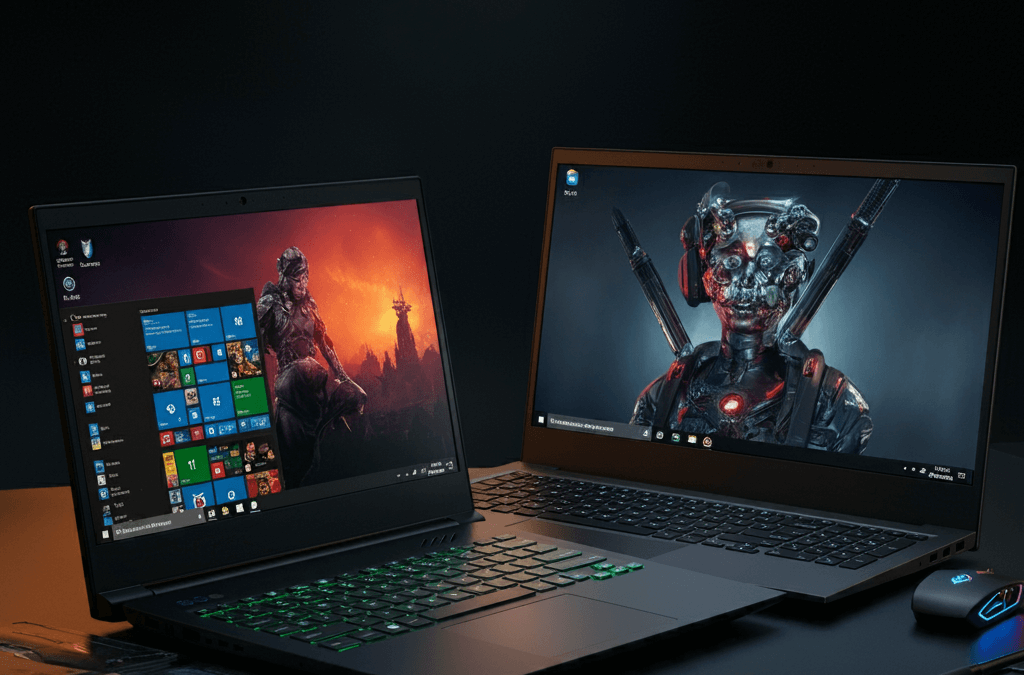
    Gaming laptops have this undeniable charm. They feel powerful, flexible, and just a bit futuristic. You’re not tied to one place—you can game in your room, your friend’s house, or even while traveling (assuming you don’t mind carrying a charger that feels like a brick).

    But the real strength lies in versatility. A gaming laptop isn’t just for games. It’s also your work machine, your editing setup, your study companion. For students or professionals, that dual-purpose nature is a big win.

    Then there’s customization—well, limited compared to desktops, but still more than consoles. You can tweak settings, mod games, even upgrade certain components depending on the model.

    Of course, all of this comes at a price. A decent gaming laptop in India isn’t cheap, and high-end models can easily cross expectations—and budgets.

    Consoles: Simplicity Done Right

    Consoles, on the other hand, feel refreshingly simple.

    You buy one, plug it in, and start playing. No worrying about graphics settings, driver updates, or compatibility issues. It just works.

    That ease of use is a huge advantage, especially for casual gamers or those who don’t want to deal with technical details. Consoles are also generally more affordable upfront compared to gaming laptops with similar performance.

    And let’s not forget exclusives. Some of the most loved games are tied to specific consoles, and that alone can influence decisions.

    But consoles aren’t perfect either. They’re limited in terms of functionality. You can’t really use them for work, and multitasking isn’t their strong suit.

    Cost Isn’t Just About the Price Tag

    In India, cost plays a slightly different role.

    A gaming laptop might be expensive upfront, but it replaces multiple devices. A console is cheaper initially, but games, subscriptions, and accessories add up over time.

    There’s also the question of electricity and maintenance. Laptops are more portable but can heat up quickly in Indian weather conditions. Consoles are stable but require a fixed setup.

    It’s not just about how much you spend—it’s about how you spend it.

    Performance and Experience

    When it comes to raw performance, high-end gaming laptops can match or even exceed consoles. But that depends heavily on your budget.

    Consoles, meanwhile, are optimized for gaming. Developers build games specifically for that hardware, which often results in smoother experiences even without top-tier specs.

    There’s also the display factor. Many gamers pair consoles with large TVs, creating a more immersive, relaxed gaming environment. Laptops, while powerful, usually offer a more personal, close-up experience.

    Neither is better universally—it really depends on what you enjoy.

    Internet and Accessibility

    Here’s something that often gets overlooked: internet quality.

    In many parts of India, stable high-speed internet isn’t guaranteed. Consoles often rely on large downloads and updates, which can be frustrating with slower connections.

    Gaming laptops, especially with offline or modded games, can sometimes offer more flexibility in this regard.

    Then again, online multiplayer is becoming central to gaming across all platforms, so eventually, good internet becomes essential either way.

    The Question Everyone Keeps Asking

    At some point, it all boils down to one familiar thought: Gaming laptops vs consoles: Indian gamers ke liye best choice?

    And honestly, there isn’t a one-size-fits-all answer.

    If you’re someone who needs a device for both work and play, values flexibility, and doesn’t mind spending more upfront, a gaming laptop makes sense.

    If you prefer a straightforward, plug-and-play experience focused purely on gaming—and you enjoy couch gaming with a controller—a console might be the better fit.

    Lifestyle Matters More Than Specs

    This is where things get personal.

    A college student living in a hostel might lean toward a laptop for its portability. A working professional who wants to unwind in the evenings might prefer a console connected to a TV.

    Even small things—like how much space you have, how often you travel, or whether you enjoy tweaking settings—can influence your decision more than specs ever will.

    Final Thoughts

    Choosing between a gaming laptop and a console isn’t just a technical decision. It’s a lifestyle choice.

    Both have their strengths, both have their limitations. And in India, those differences are shaped by practical realities as much as personal preferences.

    So instead of chasing the “best” option, it might be more useful to ask a simpler question: what kind of gaming experience do you actually want?

    Because once you know that, the answer tends to become a lot clearer.