
There’s something strangely easy to overlook about water. It’s everywhere in daily life — filling coffee pots, washing dishes, running through showers, boiling pasta — yet most people barely think about it until something feels slightly off.
Maybe the tap starts tasting different one week. Maybe glasses come out cloudy from the dishwasher. Or maybe you visit someone else’s home and suddenly realize their water tastes noticeably fresher than yours. Funny enough, it’s usually those small moments that make people start paying closer attention to what’s flowing through their pipes every day.
And honestly, once you notice water quality, it becomes difficult to stop noticing it.
Water Quietly Shapes Everyday Life
People often think of water only in terms of drinking, but it affects nearly every routine inside a home. Laundry texture, shower comfort, cooking flavor, appliance performance — all of it connects back to the quality of the water being used constantly in the background.
I remember visiting relatives years ago who had recently installed a new filtration setup in their house. At first, I thought they were exaggerating the difference. But after a couple of days, even simple things stood out.
Coffee tasted smoother. Showers felt softer. Ice cubes didn’t carry that faint freezer smell I was used to. None of it felt dramatic on its own, but together the entire home somehow felt cleaner and more comfortable.
That experience stayed with me because it showed how quickly people adapt to the water conditions they live with every day.
Why Water Conditions Vary So Much
One thing homeowners don’t always realize is how different water can be depending on location. Some areas naturally have high mineral content. Others deal with chlorine-heavy municipal treatment or older plumbing infrastructure that affects taste and consistency.
Even when water technically meets safety standards, it may still contain minerals, odors, or trace impurities that change how it feels to use daily.
That’s partly why conversations around clean water have become more common in recent years. Families today care more about the overall quality of their home environment — not only food and air, but water too.
And honestly, that shift makes sense. Water touches nearly every part of everyday life.
The Growing Interest in Better Home Water Systems
A decade ago, many people associated filtration equipment with luxury homes or specialty health products. Today, it’s become far more common for ordinary households to use some form of water improvement system.
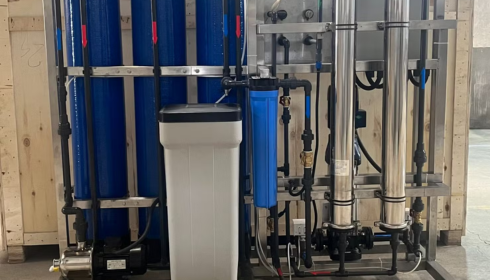
Some start with simple countertop filters. Others install under-sink setups for the kitchen. In areas with significant mineral or sediment issues, homeowners sometimes choose larger whole-home systems that treat water before it moves throughout the house.
Modern water treatment systems are designed for a wide range of concerns — chlorine taste, sediment, mineral-heavy water, odors, and other issues that affect comfort and appliance efficiency over time.
The interesting thing is that homeowners don’t always invest in these systems because of fear or major problems. Often, they’re simply tired of dealing with the small frustrations poor water creates every day.
Small Water Problems Add Up Over Time
One of the trickiest things about water issues is how slowly they appear.
Soap stops lathering properly. Towels become stiff after washing. Shower doors develop stubborn spots that never seem completely clean. Appliances collect mineral buildup internally without anyone noticing until repairs become necessary.
A friend of mine replaced their coffee machine twice in a few years because it kept malfunctioning. Later, they discovered mineral-heavy water had been damaging the internal components the entire time. Once they addressed the water issue, the replacement cycle basically stopped.
That’s the frustrating part — water problems often disguise themselves as unrelated household annoyances.
Why Drinking Water Habits Are Changing
For years, bottled products became the default solution whenever people disliked their tap water. It felt convenient at the time. But lately, many households have started rethinking that habit.
Plastic waste piles up quickly. Costs add up faster than most families expect. And carrying heavy packs into the house every week gets old surprisingly fast.
That’s one reason homeowners are becoming more intentional about improving drinking water directly at home instead of relying constantly on bottled alternatives.
When water tastes fresh and feels reliable, people naturally drink more of it. Kids stop complaining about the flavor. Reusable bottles become part of everyday routine instead of emergency backups.
And honestly, there’s something comforting about trusting the water in your own kitchen again.
Better Water Often Improves More Than Taste
One thing people rarely expect is how many parts of household life improve once water conditions get better.
Laundry feels softer. Glassware looks clearer. Showers become more comfortable. Even cooking changes subtly because water affects flavor more than people realize.
There’s also an emotional side to it that’s harder to measure. Good water removes tiny background frustrations people quietly adapt to over time.
You stop second-guessing the tap. You stop scrubbing stubborn residue constantly. You stop worrying about strange smells or inconsistent taste.
That peace of mind matters more than many homeowners initially expect.
Why Water Deserves More Attention Than It Gets
The interesting thing about water is that it rarely demands attention when everything works properly. It simply supports daily life quietly in the background.
But when water improves, people notice.
Morning coffee tastes cleaner. Appliances run more efficiently. Showers feel softer. Tiny inconveniences disappear little by little until the house itself feels easier to live in.
Maybe that’s why more families are paying closer attention now. Not because water suddenly became trendy, but because comfort at home is usually built from simple things functioning the way they should.
And honestly, few things matter more to everyday life than the water flowing through a home every single day.
