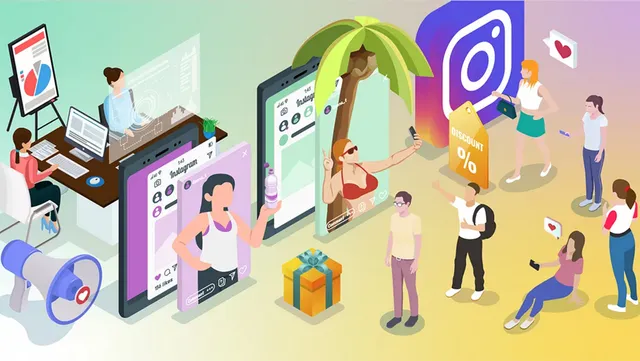
There was a time—not too long ago—when building a brand meant spending big on advertising, hoping your message would land somewhere between a TV break and a newspaper column. It felt distant, almost unreachable for small businesses. But scroll through Instagram or YouTube today, and you’ll notice something has quietly shifted.
Now, it’s not always the loudest brand that wins. Sometimes, it’s the most relatable one.
That shift has a lot to do with the creator economy—and how it’s reshaping the way small businesses grow, connect, and survive in India.
What Exactly Is the Creator Economy?
At its core, the creator economy is built on individuals—people who create content, build audiences, and influence decisions. They’re not always celebrities. In fact, most aren’t. They’re everyday people who’ve found a voice online and managed to build trust around it.
And trust, as it turns out, is currency.
For small businesses, this has opened doors that simply didn’t exist before. Instead of chasing mass appeal, they can now collaborate with creators who already speak directly to their ideal customers.
A New Kind of Word-of-Mouth
Word-of-mouth used to mean recommendations from friends or family. Now, it often comes from a creator you’ve been following for months—someone whose opinions you’ve grown to trust.
When a skincare creator shares a small, homegrown brand they genuinely like, it doesn’t feel like an ad. It feels like advice. And that subtle difference matters more than most marketing strategies.
That’s why many small businesses are shifting their focus. Instead of pouring budgets into traditional ads, they’re investing in collaborations that feel… human.
Lower Barriers, Bigger Opportunities
One of the most interesting aspects of this shift is accessibility.
You don’t need a massive budget to work with creators anymore. Micro and nano influencers—those with smaller but highly engaged audiences—are often more effective for niche products.
For a small business in Jaipur selling handmade jewelry, collaborating with a fashion creator who has 10,000 loyal followers can drive more meaningful engagement than a generic ad campaign.
It’s not about reach alone. It’s about relevance.
Authenticity Over Perfection
There’s something refreshing about content that doesn’t feel overly polished. A slightly shaky video, natural lighting, real reactions—it all adds up to authenticity.
And audiences today can tell the difference.
Small businesses benefit from this because they often have genuine stories to tell. Whether it’s a family-run food brand or a startup experimenting with sustainable materials, creators help bring those stories to life in a way that feels real.
That emotional connection? It’s hard to replicate with traditional advertising.
The Power of Community
Another layer to this ecosystem is community.
Creators don’t just have followers—they have communities. People who engage, comment, share, and sometimes even advocate for what the creator believes in.
When a small business becomes part of that ecosystem, it gains more than visibility. It gains a kind of social proof that builds over time.
And it’s not always instant. Sometimes it’s slow, almost unnoticeable at first. But then suddenly, you start seeing repeat customers, organic mentions, and a growing sense of trust around the brand.
So, Where Does This All Lead?
It leads to a simple but powerful question: Creator economy India me kaise small businesses ko boost kar rahi hai?
The answer isn’t just about marketing—it’s about access. Access to audiences, to storytelling, to growth opportunities that were once limited to bigger players.
Small businesses are no longer invisible. They’re being discovered, shared, and supported in ways that feel organic rather than forced.
Challenges Still Exist
Of course, it’s not all smooth sailing.
Finding the right creator can be tricky. Not every collaboration works. Sometimes, the audience mismatch is obvious only after the campaign is live.
There’s also the question of authenticity. As the space grows, audiences are becoming more aware of paid promotions. That means creators—and brands—need to be more transparent and thoughtful.
But even with these challenges, the overall direction feels promising.
A More Level Playing Field
What stands out the most is how the creator economy is leveling the playing field.
You don’t need to be a big brand to be noticed anymore. You just need the right story, the right voice, and the willingness to experiment.
For many small businesses in India, that’s been a game-changer.
Final Thoughts
If you look closely, the creator economy isn’t just a trend—it’s a shift in how people connect, discover, and trust.
And for small businesses, it’s an opportunity to grow without losing their identity.
Because at the end of the day, people don’t just buy products. They buy stories, experiences, and a sense of connection.
And right now, that connection is being built one post, one video, one creator at a time.