
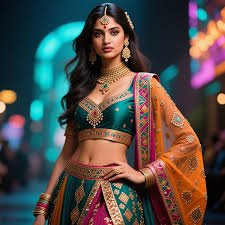
There was a time when buying clothes felt… occasional. Festive, maybe seasonal. You’d wear the same kurta for years, stitch memories into it, and never think twice. Then fast fashion arrived — quick trends, cheaper prices, and wardrobes that changed faster than the weather.
And now, something interesting is happening again. People aren’t exactly rejecting fashion, but they’re starting to question it. Where it comes from, how long it lasts, and whether “cheap” is really cheap in the long run.
The Rise of Conscious Buying
Walk into any mall or scroll through shopping apps, and fast fashion still dominates. It’s accessible, trendy, and honestly, hard to resist. But alongside it, there’s a quieter shift — people pausing before clicking “buy.”
Related reading: Can an App Really Fix Your Style? A Real Look at Digital Styling Tools
This pause matters. It’s where awareness begins.
More Indian consumers, especially younger ones, are asking simple but important questions. Do I need this? Will I wear it more than a few times? Who made it? These aren’t revolutionary thoughts, but they signal a change in mindset.
Not Just a Trend, But a Response
The growth of alternatives isn’t happening in isolation. It’s a response — to overconsumption, to environmental concerns, and sometimes, to the realization that wardrobes feel full yet unsatisfying.
Related reading: Wearing Pixels Instead of Fabric: Where Digital Fashion Might Be Headed
That’s where the conversation around Fast fashion ke alternatives India me kaise grow ho rahe hain? becomes relevant. Because what we’re seeing isn’t a sudden shift, but a gradual evolution driven by both awareness and necessity.
Homegrown Brands Are Stepping Up
One of the most visible changes is the rise of Indian sustainable fashion brands. These aren’t massive corporations — often, they’re small, thoughtful businesses focusing on quality over quantity.
They use handwoven fabrics, natural dyes, and ethical production practices. There’s a story behind each piece, which makes it feel… different. Less disposable.
Related reading: The Real Cost of a Handloom Saree, and Why It Is Worth the Investment
Of course, these clothes are usually more expensive upfront. But they tend to last longer, both in terms of durability and style. It’s less about chasing trends and more about building a wardrobe that feels personal.
Thrifting and Second-Hand Culture
A few years ago, buying second-hand clothes in India carried a certain stigma. Today, that’s changing — especially among urban youth.
Thrift stores, Instagram resellers, and online platforms are making pre-loved fashion more accessible. And honestly, it’s not just about saving money. It’s about reducing waste and finding unique pieces you won’t see everywhere.
Related reading: Gold Lockets, Pendants and Kadas: Building a Versatile Everyday Jewellery Collection
There’s something oddly satisfying about wearing something with a past.
Rental Fashion Is Finding Its Space
For occasions like weddings or parties, renting outfits is becoming a practical alternative. Why buy a heavily embroidered lehenga you’ll wear once when you can rent one for a fraction of the cost?
This model is gaining traction in cities, where space, budgets, and sustainability concerns intersect. It’s not perfect, but it solves a very real problem.
Related reading: Lily Arkwright Lab Grown Rubies Are Trending Right Now
And in a country where weddings are practically a season, that matters.
The Role of Social Media
Social media has played a surprisingly big role in this shift. Not just through influencers promoting brands, but through conversations.
People are sharing outfit repeats, discussing mindful shopping, and even calling out overconsumption. It’s not always consistent — the same platforms also push trends — but the dialogue exists.
And once a conversation starts, it rarely disappears completely.
Challenges That Still Exist
Let’s be real — fast fashion isn’t going away anytime soon.
Affordable alternatives are still limited. Sustainable brands often struggle with scaling while maintaining ethical practices. And for many people, budget remains the biggest deciding factor.
It’s easy to talk about conscious fashion, but harder to practice it consistently — especially when cheaper options are just a click away.
There’s also the convenience factor. Fast fashion is designed to be easy, immediate, and appealing. Alternatives require a bit more effort — research, patience, sometimes compromise.
A More Balanced Way Forward
Maybe the goal isn’t to completely eliminate fast fashion from our lives. That’s not realistic for most people.
Instead, it’s about balance.
Buy less, choose better. Mix high-quality pieces with everyday wear. Repeat outfits without feeling self-conscious. Support brands that align with your values when you can.
Even small changes — like wearing something more times before replacing it — can make a difference over time.
It’s Less About Fashion, More About Awareness
At its core, this shift isn’t just about clothes. It’s about how we think as consumers.
Fashion has always been a reflection of culture, and right now, that reflection is changing. People are becoming more aware — not perfectly, not all at once, but gradually.
And that gradual change might be the most meaningful kind.
Because in the end, style isn’t just about what you wear. It’s about the choices behind it.