
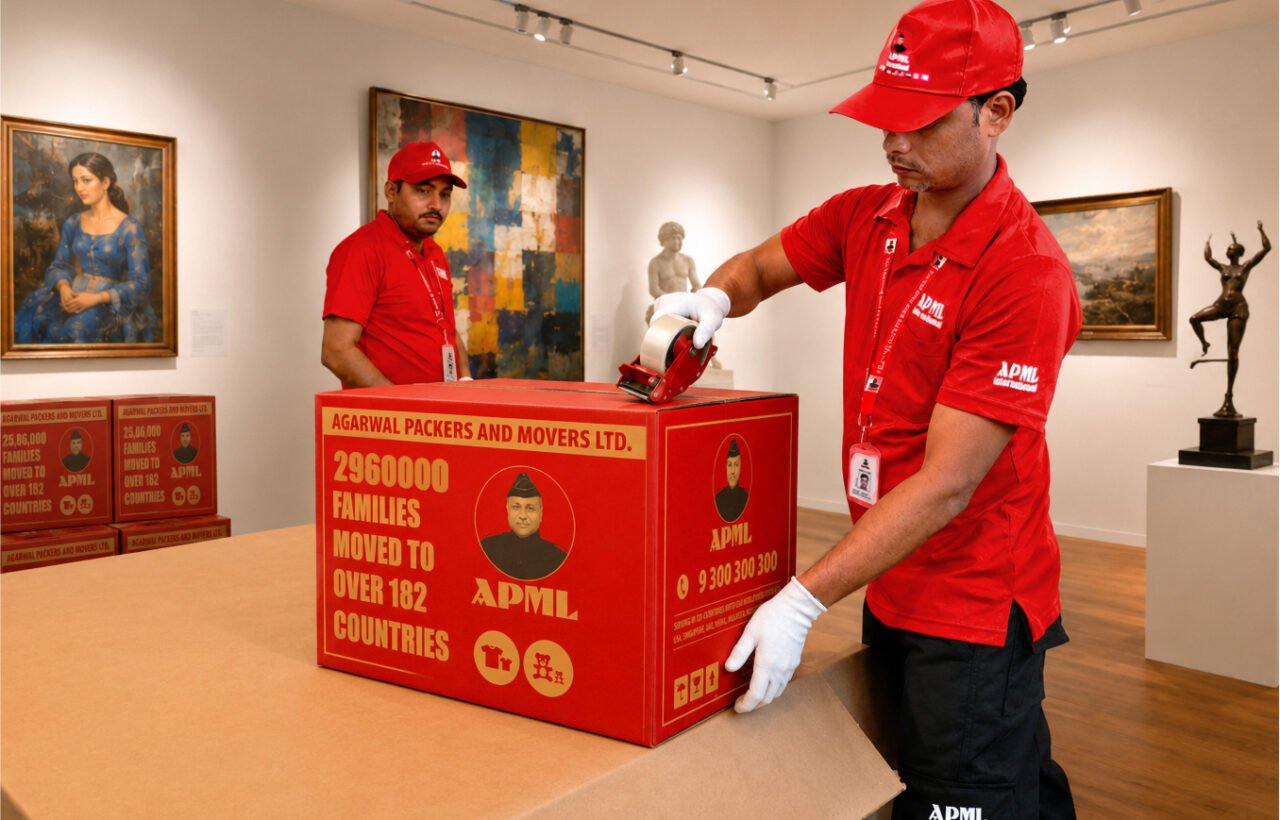
My colleague Harsh moved from Dwarka to Noida Sector 62 on a Sunday in June, and the first thing he said to me on Monday was, “I aged a year.” The truck arrived ninety minutes late. The society guard wanted a gate pass, two ID copies and a signature from a committee member who was, naturally, out of town. And his father’s old steel almirah, a gray monster with a stiff key and a mirror that has seen four decades of Diwali mornings, had to be carried down five floors because the lift was “reserved for residents.” It made it intact. Harsh needed a cold lassi and some quiet.
That’s Delhi for you. The city is enormous, the heat is personal, and every colony runs on its own unwritten rulebook. I’ve moved three times here and pitched in on plenty more, so this is roughly what I’d tell you over two cups of chai on a wobbly plastic stool.
Pick the date, then check the gate
Most people fix a day and only later realize the calendar has opinions. May and June are brutal. Loaders slow down by eleven, tempers get shorter than the shade, and everything takes twice as long. July to September brings monsoon surprises, the kind where an underpass quietly turns into a pond. October to March is the friendly window, though everyone else knows it too, so book early.
Weekdays beat weekends. Month-end is chaos because leases roll over. And an early start, say seven or eight, saves you from the worst of Ring Road, NH-48 and the Noida crossings. Call your RWA or society office before you commit. Some want a deposit, some want a letter, some allow goods vehicles only in narrow windows, and a few have rules nobody can explain. Ask about the lift while you’re on the phone. It decides whether your almirah goes up whole or in grumpy pieces.
Choosing who touches your furniture
Search for the Best Packers and Movers in Delhi and you’ll find a hundred websites claiming exactly that. Every one promises “zero damage.” None can prove it from a landing page. So skip the slogans and watch behavior instead.
Ask for a survey, in person if you can, or a long video call where you walk through every room. Open the cupboards. Show the loft, the balcony storage, the heavy bed, the washing machine. A quote given without seeing any of that is basically a guess, and guesses love to grow on moving day.
Get three quotes and compare what’s inside them, not just the bottom line. Does it include packing material? Loading, unloading, dismantling, reassembly? A charge for stairs when there’s no lift? Transit insurance? The cheapest number tends to win right up until the bill arrives with “additional charges” queued behind it.
Keep everything written down. WhatsApp is fine. A promise on a noisy phone call evaporates by evening.
Reviews, referrals and a raised eyebrow
I read reviews the way I treat street food: some are wonderful, some make you regret everything. “Very good service!” tells me nothing. “Team came thirty minutes late, wrapped the TV properly, bill matched the quote” sounds like a real person on a real day, which is exactly why I believe it.
Ask around, too. A friend, a colleague, the uncle who somehow knows everyone. First-hand stories beat any ad. And when you speak to a company, notice how they handle awkward questions. If they get defensive before you’ve paid a rupee, that’s a preview of the mood afterward.
Local know-how is underrated
Plenty of Movers and Packers Delhi outfits look identical online, same trucks, same stock photos of smiling men holding boxes. What separates them is whether they actually know the city. Do they understand that some lanes in Old Delhi or parts of Lajpat Nagar can’t take a big vehicle? Do they know which colonies restrict commercial traffic during the day? Have they dealt with societies in Gurgaon or Noida that demand ID copies, gate passes and refundable deposits?
These sound like small details. They aren’t. They can be the difference between a six-hour move and a twelve-hour one. Ask directly, and listen for whether the answer comes with stories or with sales talk.
What to pack yourself
I’ve gone wrong in both directions. Once I packed everything myself and lost nine evenings and a good part of my back. Another time I let the crew handle it all, and my passport turned up in a carton marked “kitchen misc.” Never again.
Now I split it. Professionals take the heavy, awkward and fragile: TVs, mirrors, crockery, the glass table, anything that needs foam and corner guards. I keep documents, jewelry, medicines, laptops, chargers, some cash and the kids’ school files in a bag that rides with me, not on the truck.
Photograph your furniture and electronics before anything gets wrapped. Five minutes. If something arrives scratched, you’ll have proof instead of a shouting match on the pavement.
Carry less, stress less
You’re paying for volume, one way or another. So before the survey, walk through your place with a slightly colder heart. Clothes you haven’t worn since 2021, cables for gadgets that no longer exist, a chair with one suspicious leg. Donate, sell or toss. It’s oddly satisfying, and it makes the move cheaper and the unpacking lighter.
The day, and the hush after
Be there. Even with a dependable crew, somebody has to say which box goes in which room, check the inventory and answer the thousand small questions. Keep water around, because Delhi heat doesn’t negotiate. Tip fairly if they’ve worked hard. Then do one last lap of the old place: every cupboard, every balcony corner, behind every door. Someone always forgets something. I once left a whole shelf of pickle jars behind. I still think about them.
When the truck finally leaves and the new flat fills with unfamiliar cartons, there’s a strange hush. Tired, proud, a bit sad, all at once. That’s normal. Don’t try to unpack tonight. Make the bed, find the kettle, order something hot. Tomorrow can handle the kitchen.
Moving will never be perfectly smooth, and I won’t insult you by pretending it can be. Something will arrive late, something will land in the wrong room, and a neighbor will complain about the lift. But with some planning, honest questions and people who actually listen, it becomes something you get through rather than something that swallows you.
Harsh, by the way, still has the almirah. It stands in his bedroom now, mirror intact, and he says it’s the only thing in Noida that has never once asked for a gate pass.