
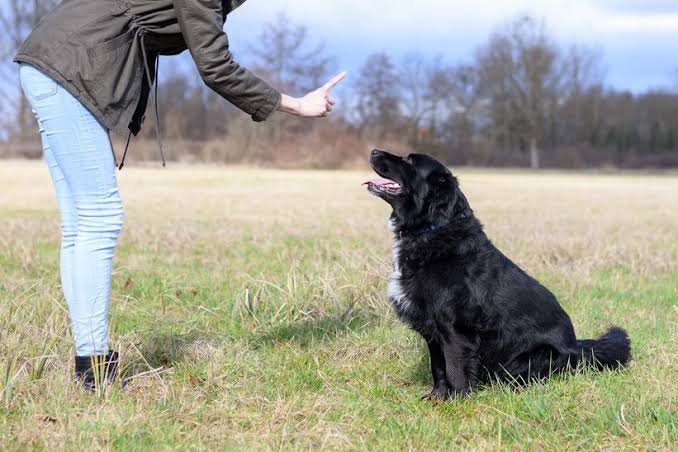
Every dog has the ability to learn appropriate behavior with the right guidance. Whether you’re raising a new puppy or helping an older dog overcome unwanted habits, pet behavior training provides the structure and communication dogs need to succeed. At Rob’s Dog Training, the focus is on helping dogs develop reliable behaviors through consistent, positive, and practical training methods that strengthen the relationship between dogs and their owners.
Behavior challenges rarely happen without a reason. Understanding why dogs act the way they do allows owners to address the cause instead of simply reacting to the symptoms. With patience, consistency, and effective training techniques, dogs can become more confident, responsive, and enjoyable companions.
What Is Pet Behavior Training?
Pet behavior training focuses on teaching dogs appropriate responses while replacing unwanted behaviors with desirable alternatives. Rather than relying on punishment, effective training emphasizes communication, clear expectations, and positive reinforcement.
Behavior training commonly addresses issues such as:
- Excessive barking
- Jumping on people
- Pulling during walks
- Chewing household items
- Digging
- Counter surfing
- Resource guarding
- Poor impulse control
- Reactivity toward people or other dogs
The goal is not simply to stop unwanted behaviors but to teach dogs what they should do instead.
Why Dogs Develop Behavior Problems
Many behavioral issues develop naturally when dogs lack guidance, structure, or mental stimulation. Others result from fear, anxiety, frustration, or inconsistent expectations.
Several common factors contribute to behavior problems.
Lack of Clear Communication
Dogs thrive when they understand what is expected. Mixed signals from different family members often create confusion and inconsistent responses.
Insufficient Physical Exercise
Many active breeds require daily physical activity to remain calm indoors. Excess energy frequently appears as destructive chewing, barking, or hyperactivity.
Limited Mental Stimulation
Mental exercise can be just as important as physical activity. Puzzle toys, obedience practice, scent games, and structured training sessions keep dogs engaged and reduce boredom.
Fear and Anxiety
Some unwanted behaviors develop because dogs feel uncertain or overwhelmed. Barking, avoidance, or defensive reactions often indicate emotional discomfort rather than stubbornness.
Reinforced Habits
Dogs repeat behaviors that produce rewarding outcomes. If barking earns attention or jumping results in greetings, those behaviors become stronger over time.
The Foundation of Successful Pet Behavior Training
Long-term success depends on consistency and teaching skills that dogs can apply in everyday situations.
Positive Reinforcement
Rewarding desired behaviors encourages dogs to repeat them. Rewards may include:
- Treats
- Toys
- Praise
- Playtime
- Access to enjoyable activities
Positive reinforcement creates motivation while building trust between dogs and their owners.
Consistency
Dogs learn faster when everyone in the household follows the same rules. Consistent commands, routines, and expectations reduce confusion and accelerate learning.
Timing
Rewards should immediately follow the desired behavior so dogs clearly connect the action with the reward.
Gradual Progression
New behaviors should first be practiced in quiet environments before introducing distractions. This gradual approach helps dogs build confidence and reliability.
Common Behaviors That Can Be Improved
Most unwanted behaviors can be significantly reduced through structured pet behavior training and regular practice.
Jumping on Guests
Dogs often jump because they are excited to greet people. Teaching an alternative behavior, such as sitting for attention, creates polite greetings.
Pulling on the Leash
Loose-leash walking teaches dogs that staying near their handler results in forward movement and rewards. Pulling no longer becomes the fastest way to reach interesting places.
Excessive Barking
Identifying the cause of barking is essential. Dogs may bark due to excitement, boredom, fear, territorial instincts, or frustration. Training addresses the underlying motivation while reinforcing quiet behavior.
Destructive Chewing
Chewing is a natural canine behavior. Appropriate chew toys, supervision, and management help redirect chewing toward acceptable items.
Door Rushing
Teaching dogs to wait calmly before exiting doors improves safety and strengthens impulse control.
Poor Recall
Reliable recall training teaches dogs to return immediately when called, even in distracting environments.
Building Better Communication
Dogs constantly communicate through body language, vocalizations, and behavior. Learning to recognize these signals helps owners respond appropriately before small issues become larger problems.
Some important canine communication signals include:
- Relaxed posture
- Lip licking
- Yawning during stressful situations
- Tail position
- Ear movement
- Avoidance behaviors
- Play bows
Understanding these signals allows training sessions to remain positive and productive.
The Role of Daily Routines
Dogs learn best through repetition. Daily routines create predictable opportunities to reinforce good behavior.
Simple habits can make a significant difference:
- Practice short obedience sessions every day.
- Reward calm behavior throughout the day.
- Maintain consistent feeding schedules.
- Include structured walks.
- Provide enrichment activities.
- Reinforce household rules consistently.
These routines create stability while helping dogs understand expectations.
Why Socialization Matters
Socialization helps dogs develop confidence around new environments, sounds, people, and other animals. Proper social experiences reduce fear-based behaviors and improve adaptability.
Healthy socialization includes:
- Meeting friendly people
- Visiting different environments
- Walking on various surfaces
- Hearing everyday household sounds
- Positive encounters with calm dogs
Socialization should always occur at the dog’s comfort level to avoid overwhelming experiences.
Preventing Behavior Problems Before They Start
Many common issues can be avoided by establishing good habits early.
Owners can reduce future challenges by:
- Teaching basic obedience commands
- Reinforcing calm behavior
- Providing regular exercise
- Supervising young puppies
- Using management tools when necessary
- Practicing impulse control games
- Rewarding desirable choices consistently
Early training creates lifelong habits that become easier to maintain over time.
Mistakes That Can Slow Progress
Even well-intentioned owners sometimes unknowingly reinforce unwanted behaviors.
Common mistakes include:
- Inconsistent rules
- Repeating commands multiple times
- Rewarding unwanted behaviors with attention
- Training only during formal sessions
- Expecting immediate results
- Using punishment instead of teaching alternatives
Recognizing these habits allows owners to make adjustments that support steady progress.
The Importance of Patience
Behavior change takes time because dogs learn through repetition and experience. Progress is rarely perfectly linear. Some days will feel easier than others.
Celebrating small improvements helps maintain motivation while reinforcing positive habits for both dogs and owners.
Rather than focusing solely on eliminating unwanted behaviors, successful training emphasizes building reliable behaviors that naturally replace them.
When Professional Guidance Makes a Difference
Some behavior concerns require additional expertise, particularly when they involve aggression, severe anxiety, resource guarding, or persistent reactivity.
Professional trainers can:
- Evaluate the root cause of behavior
- Develop individualized training plans
- Demonstrate proper handling techniques
- Help owners improve consistency
- Adjust strategies as the dog progresses
Personalized guidance often accelerates learning while helping owners avoid common training mistakes.
Creating Lifelong Good Habits
The most successful pet behavior training doesn’t end after a few lessons. Dogs continue learning throughout their lives, making ongoing practice an important part of maintaining good manners.
Owners who consistently reward appropriate behavior, provide regular enrichment, and maintain clear communication often see lasting improvements. Everyday situations become valuable opportunities to reinforce calm behavior, responsiveness, and self-control.
Small daily efforts build dependable habits that strengthen the bond between dogs and their families while making life together more enjoyable.
Conclusion
Every dog can learn better habits when training focuses on communication, consistency, and positive reinforcement. Pet behavior training helps owners understand why behaviors occur while teaching dogs the skills they need to succeed in everyday life. Whether addressing minor habits or more complex behavioral challenges, investing time in structured training creates lasting results that benefit both dogs and their families. Rob’s Dog Training is committed to helping owners build confident, well-mannered companions through practical, effective training that supports long-term success.