
Most of us only notice water when it starts acting strange. A rusty stain under the tap. A cloudy glass that never looks properly clean. A faint smell from the bathroom sink in the morning. These things seem small at first, almost easy to ignore. But water has a way of leaving clues around the house, and if you pay attention, those clues can tell you a lot.
Good water should feel simple. It should taste clean, rinse well, and not leave half the bathroom looking like it needs scrubbing every other day. When that doesn’t happen, the issue usually sits somewhere beneath the surface — in minerals, metals, or even microorganisms that aren’t visible to the eye.
Understanding Water Quality Before Guessing
Related reading: Why Your Water Has an Unpleasant Odor—and What It Might Be Trying to Tell You
One of the biggest mistakes homeowners make is choosing a water treatment system before they actually know what’s in the water. It’s understandable. You see stains, you want them gone. You smell something odd, you want a fix by the weekend. But different problems need different solutions.
A proper water test can show whether your home is dealing with mineral buildup, metals, pH imbalance, sediment, or something more serious. Without testing, it’s mostly guesswork. And guesswork can get expensive fast.
Hard Water and Daily Frustration
Related reading: A Smarter Approach to Cleaner Water: Balancing Treatment, Comfort, and Cost
Hard water is one of the most common household water problems. It doesn’t usually show up as one dramatic event. It creeps in slowly. Soap doesn’t lather quite right. Shampoo feels harder to rinse out. White marks appear around taps and shower glass. The kettle gets crusty inside. You clean it, then it comes back again like it owns the place.
These issues are often caused by hardness minerals such as calcium and magnesium. They are naturally found in many water supplies, but when levels are high, they can create scale inside pipes, water heaters, dishwashers, and washing machines. Over time, appliances may work harder, cleaning takes longer, and the whole home feels a little less fresh than it should.
Why Stains Can Mean More Than Dirt
Related reading: When Your Water Is Affecting More Than You Realize
Orange, brown, or reddish stains around sinks, tubs, and toilets are often blamed on poor cleaning. But many times, the real cause is in the water itself. If stains come back quickly after cleaning, there may be dissolved metals moving through the plumbing.
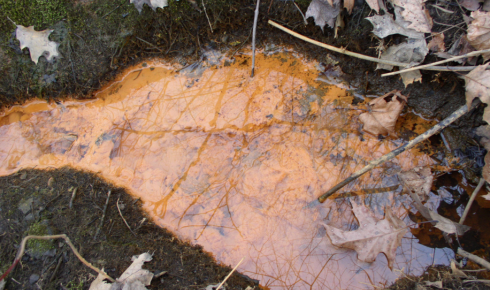
One common culprit is iron, especially in homes using well water. It can leave rust-colored marks, affect laundry, and sometimes give water a metallic taste. In some cases, water may look clear when it comes from the tap but stain surfaces after it sits and reacts with air. That can be frustrating because the problem is not always obvious right away.
Taste, Smell, and That “Something Is Off” Feeling
Related reading: How Modern Water Softeners Make Everyday Home Life Easier
Water doesn’t need to look dirty to be unpleasant. Sometimes it has a musty smell. Sometimes it tastes flat, sharp, metallic, or earthy. Chlorine from city water can also create a noticeable taste, especially in drinking water and coffee. For people who are used to bottled water, tap water problems can feel even more noticeable.
Odors may come from organic matter, sulfur compounds, plumbing conditions, or issues inside a water heater. The source matters. A smell at one tap may point to a local plumbing issue, while odor throughout the whole house may suggest a broader water supply concern.
When Safety Becomes the Bigger Question
Related reading: Why the Right Drinking Water System Can Change Your Daily Routine
Not every water issue is just about comfort or appearance. Some problems can affect health, especially when water comes from a private well. Unlike municipal water, private wells are usually the homeowner’s responsibility. That means regular testing is important, not just when something seems wrong.
The presence of bacteria in water is one of those concerns that should never be brushed aside. It may not always create a taste or smell, so testing is the only reliable way to know. If harmful microorganisms are found, treatment options like disinfection, UV systems, or well servicing may be needed. It’s better to confirm early than to wait for symptoms or bigger problems.
Choosing the Right Treatment Approach
Water treatment is not one-size-fits-all. A softener may help with scale but won’t solve every taste issue. A filter may improve clarity but may not remove dissolved minerals. A UV system can help with microbiological concerns, but it doesn’t remove sediment or metals. Each system has a job.
That’s why the best setup often combines more than one solution. For example, a home might need sediment filtration before another treatment unit. Another property may need softening plus drinking water filtration. A well-water home might require testing, iron treatment, and disinfection. The right answer depends on the actual water report.
Maintenance Is Part of the Deal
Even a good system needs attention. Filters clog. Media wears down. Salt needs refilling. UV lamps need replacing. Skipping maintenance doesn’t always cause an instant failure, but performance can slowly drop until old problems return.
A simple maintenance schedule can save a lot of trouble. It also helps protect the investment you already made. Water treatment is not something to install and forget forever. It works best when checked now and then, like any other home system.
Clean Water Makes the Home Feel Better
There’s something quietly satisfying about water that just works. No strange stains, no odd smell, no chalky buildup on everything. Laundry feels cleaner. Showers feel better. Coffee tastes closer to how it should. Even cleaning becomes less of a battle.
The smart first step is always testing. Once you know what your water contains, the right path becomes much clearer. Whether the issue is minerals, metals, microorganisms, or taste, there is usually a practical way to deal with it.