
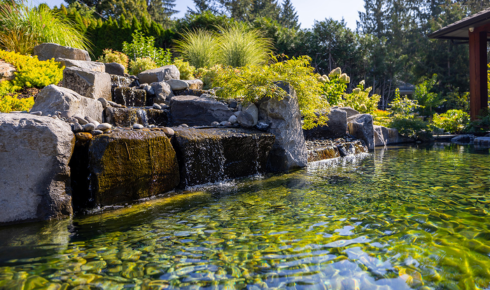
A pond has a way of making a space feel calmer. Whether it sits in a garden, near a commercial property, on a farm, or beside a quiet home patio, water changes the mood of a place. It catches the light. It brings in birds. It gives people a reason to slow down for a minute, even on a busy day.
But anyone who has owned or managed a pond knows the pretty picture does not take care of itself. A pond is alive in its own small way. Water, plants, fish, algae, leaves, sunlight, oxygen, mud, and weather all work together — or sometimes against each other. When the balance is right, the pond feels clean and natural. When the balance slips, things can go downhill faster than expected.
Cloudy water, bad smells, thick algae, floating debris, and struggling fish are all signs that the pond needs attention. And honestly, waiting until the water looks awful usually makes the job harder.
Related reading: A Smarter Approach to Cleaner Water: Balancing Treatment, Comfort, and Cost
Clear Water Does Not Always Mean Healthy Water
One common mistake is judging a pond only by how it looks from the surface. Clear water can still have poor oxygen levels, excess nutrients, or hidden imbalances. On the other hand, slightly tinted water is not always dangerous. Ponds are natural systems, and they do not need to look like a swimming pool to be healthy.
The real goal is balance. A healthy pond should support oxygen, manage organic waste, control algae growth, and create a stable environment for plants and aquatic life. That balance depends on water movement, biological activity, sunlight exposure, nutrient levels, and seasonal changes.
This is where pond water treatment becomes more than a quick fix. It is about understanding what the pond needs and applying the right approach, rather than throwing random products into the water and hoping for the best.
Related reading: When Your Water Is Affecting More Than You Realize
Why Ponds Become Unbalanced
Most pond problems begin quietly. Leaves fall in. Grass clippings blow across the edge. Fish waste builds up. Fertiliser runoff enters after rain. Sunlight warms the water. Slowly, nutrients increase, and algae gets exactly what it needs to grow.
Then the pond owner notices green water, string algae, surface scum, or a strange smell. Sometimes oxygen drops, especially in warmer months, and fish may become stressed. If there is not enough circulation, certain areas can become stagnant. Sludge can collect at the bottom, creating more issues over time.
It is not always neglect. Even well-cared-for ponds can develop problems because nature keeps changing the rules. A hot summer, heavy rain, or extra organic matter can shift conditions quickly.
Related reading: How Modern Water Softeners Make Everyday Home Life Easier
The Smartest Care Happens Before Trouble Starts
Pond care works best when it is proactive. Once algae blooms heavily or sludge builds up for years, treatment can still help, but it may take more time and effort. Staying ahead of problems is usually easier and more affordable.
Regular inspections are a good habit. Look at water clarity, plant growth, fish behaviour, odour, and the amount of debris around the edges. Check pumps, fountains, aerators, and filters if the pond has them. A pond does not need daily fussing, but it does need attention at the right moments.
Good preventative maintenance helps reduce the risk of sudden algae blooms, oxygen crashes, clogged equipment, and unpleasant smells. It is the pond-care version of servicing a car before it breaks down on the side of the road.
Related reading: Why the Right Drinking Water System Can Change Your Daily Routine
Aeration, Filtration, and Natural Balance
Aeration is one of the most useful tools for pond health. Moving water supports oxygen levels and discourages stagnation. Fountains and diffused aeration systems can both help, depending on the pond’s size, depth, and purpose.
Filtration may also be important, especially in decorative ponds with fish. Filters help remove waste and support beneficial bacteria, which break down organic matter. Without this biological activity, ponds can become overloaded with nutrients.
Plants can help too, but they need balance. Aquatic plants provide shade, absorb nutrients, and create habitat. Too many plants, however, can crowd the pond and contribute to decay when they die back. Like most pond care, it is about moderation.
Related reading: A Smarter Approach to Cleaner Water at Home
Seasonal Pond Care Makes a Difference
Ponds change with the seasons. Spring often brings new algae growth as sunlight increases. Summer can create oxygen stress because warm water holds less oxygen. Autumn drops leaves and organic matter into the water. Winter may slow biological activity, depending on the climate.
A seasonal care plan can help the pond stay stable year-round. In spring, it may need cleaning, testing, and equipment checks. In summer, aeration and algae control become more important. In autumn, removing debris can prevent sludge buildup. Winter care may focus on protecting pumps, managing ice, or simply keeping the system stable.
This kind of ongoing maintenance keeps small issues from turning into major pond problems. It also helps the pond look better, smell fresher, and support healthier aquatic life across the year.
Choosing the Right Treatment Approach
Not every pond needs the same treatment. A small backyard koi pond has different needs than a large farm pond or a commercial landscape water feature. Some ponds need aeration. Others need algae control, sludge reduction, bacteria treatments, nutrient management, or equipment servicing.
The best approach starts with assessment. What is causing the issue? Is the problem algae, excess nutrients, poor circulation, too much organic waste, or something else? Treating symptoms without understanding the cause often leads to repeat problems.
A responsible pond care provider will look at the full environment, not just the water colour. They will consider surrounding plants, runoff, depth, fish load, sunlight, equipment, and seasonal patterns.
A Pond Should Feel Like an Asset, Not a Chore
A well-kept pond adds beauty, life, and character to a property. It can become a peaceful feature instead of a constant headache. But that only happens when the water is cared for properly and consistently.
The truth is, pond care does not have to be complicated. It just has to be thoughtful. Keep nutrients under control. Support oxygen. Remove excess debris. Maintain equipment. Watch for changes before they become serious.
When a pond is healthy, people notice. The water feels fresher. The edges look cleaner. Fish behave normally. Plants grow without taking over. And the whole space feels more inviting.
A pond will always need some care because nature never stands still. But with the right treatment and steady attention, it can remain one of the most enjoyable parts of any outdoor space.