
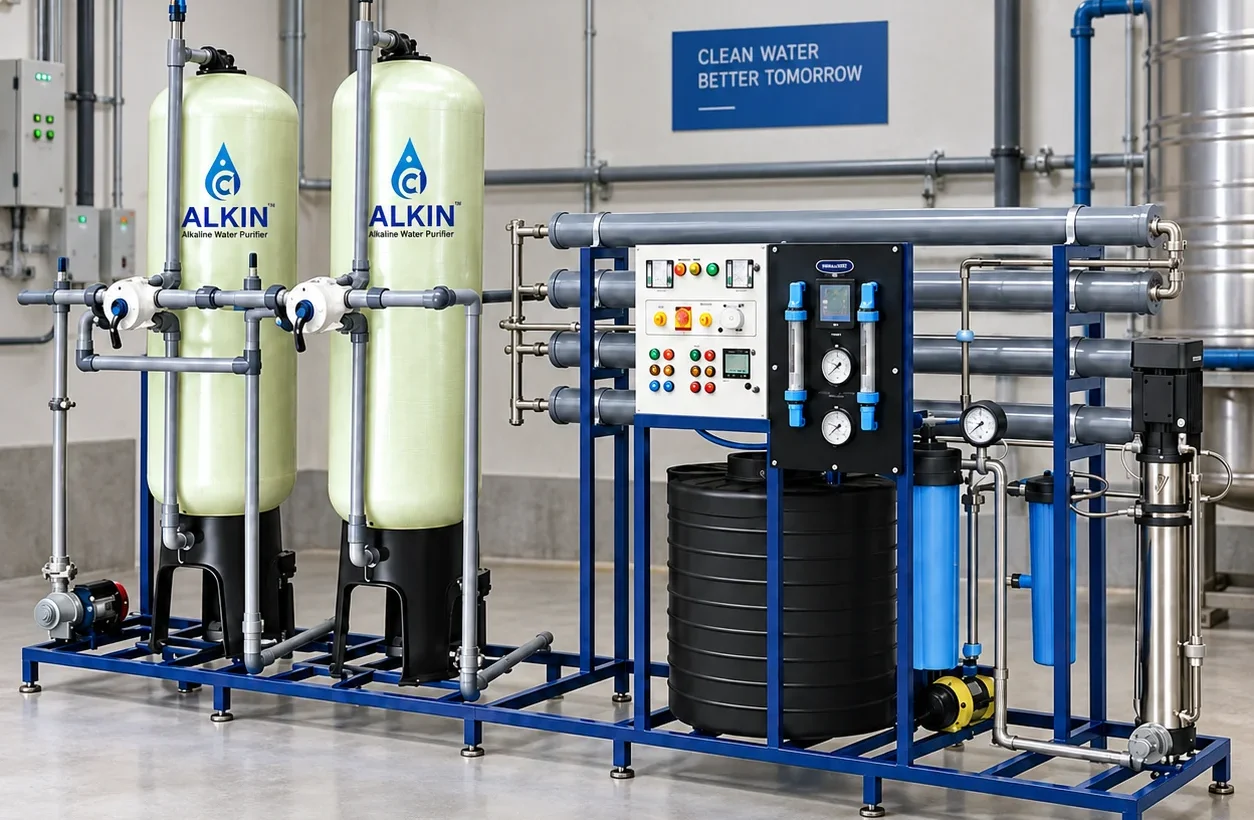
Water is one of those household essentials we tend to take for granted. It runs through the kitchen tap when you’re making tea, fills the washing machine on laundry day, and keeps the shower going when you need a few quiet minutes after a long day. Most of the time, everything works as expected. But when water starts leaving white marks on the fixtures, tastes unpleasant, or seems different from what you’re used to, you begin to wonder whether your home needs a better treatment system.
Choosing one can feel surprisingly complicated. There are filters, softeners, membranes, mineral cartridges, and plenty of product claims to sort through. The best place to start isn’t with the most expensive equipment or the latest trend. It’s with your water, your household habits, and the problem you actually want to solve.
Start by Understanding Your Water
Water quality varies according to its source, local geology, treatment processes, and household plumbing. Some homes receive hard water containing elevated levels of calcium and magnesium. Others may experience sediment, unpleasant tastes, chlorine odours, or particular contaminants that require more targeted treatment.
Related reading: Finding the Right Water Treatment System Without Overcomplicating It
The signs around your home can provide clues. White deposits on shower screens and faucets often point toward mineral buildup. Orange staining may indicate iron, while a sudden change in taste or smell could have several causes. However, appearance alone cannot establish whether water is safe to drink.
Testing is a sensible first step because it replaces guesswork with information. Depending on your water source, an appropriate test may examine hardness, pH, dissolved solids, iron, bacteria, or specific contaminants. Private-well owners should follow local guidance on routine testing, while households using municipal supplies can review their utility’s water quality report and arrange additional testing when necessary.
Once you understand what’s present, it becomes easier to choose a suitable treatment method. You may discover that a simple filter is enough, or that your household would benefit from a more specialised system. Sometimes, testing reveals that you don’t need additional equipment at all.
Related reading: Why the Right Drinking Water System Can Change Your Daily Routine
When Hard Water Becomes a Daily Frustration
Hard water can turn ordinary chores into surprisingly stubborn jobs. Soap leaves a film on the shower door, glassware comes out of the dishwasher spotted, and mineral deposits collect around taps. Over time, scale may also accumulate inside water heaters, pipes, and appliances, depending on the water’s hardness and how the equipment is used.
For households dealing with these issues, water softeners can reduce hardness by removing calcium and magnesium through an ion-exchange process. In a conventional system, these minerals are exchanged for sodium or potassium ions. The unit periodically regenerates to restore its ability to treat more water.
The difference can be noticeable. Cleaning may become easier, soap can lather more effectively, and scale formation may decrease. Appliances that are affected by hard-water deposits may also benefit, although the results depend on the original water conditions and the equipment involved.
Related reading: A Better Approach to Hard Water: Choosing the Right System for Your Home
Still, softening isn’t the same as purification. A softener doesn’t automatically remove bacteria, pesticides, or every dissolved contaminant. Some households prefer a separate drinking-water line, particularly if they want to limit the additional sodium associated with softened water. Testing and professional advice can help determine whether that arrangement makes sense.
Improving Drinking Water at the Kitchen Sink
Not every water concern requires treating the entire property. Sometimes, the main priority is simply having water that tastes pleasant for drinking and cooking. A point-of-use system installed beneath the kitchen sink can focus treatment where it’s most needed without adding equipment to every plumbing line.
Carbon filters are commonly used to reduce certain tastes and odours, including chlorine-related flavours. Other systems are designed for particular contaminants, so it’s important to check the manufacturer’s performance information rather than assuming every filter does the same job.
Related reading: A Smarter Approach to Cleaner Water: Balancing Treatment, Comfort, and Cost
For households seeking to reduce a range of dissolved substances, reverse osmosis units may be worth considering. These systems use pressure to move water through a semipermeable membrane, reducing many dissolved substances depending on the membrane, system design, and certification. Many models include prefilters to protect the membrane and a post-filter to improve taste.
Reverse osmosis isn’t necessary for every home, though. It can involve filter replacement, periodic membrane changes, and some water being sent to the drain during production. Storage capacity and flow rate are also worth considering, especially when several people regularly fill bottles or prepare meals. A system should fit your daily routine rather than become another appliance you have to work around.
What About Alkaline Water Filters?
You may have noticed more discussion about water that has a higher pH or contains added minerals. These products appeal to people who enjoy a particular taste or want to customise their drinking water, but it’s worth separating personal preference from established health evidence.
Related reading: How Modern Water Softeners Make Everyday Home Life Easier
Some alkaline water filters use mineral media to increase water’s pH or add minerals such as calcium and magnesium. Depending on the design, a product may also include filtration intended to improve taste. However, an increase in pH does not automatically mean that the water is safer or healthier than ordinary drinking water.
The most important consideration remains whether the system addresses a real need. If your concern involves a particular contaminant, look for a product with credible performance data or independent certification for that substance. A filter marketed as alkaline should not be assumed to remove bacteria, heavy metals, or other contaminants unless its documented performance supports that claim.
If you’re interested in alkaline water because you prefer its taste, that’s a reasonable preference to explore. Just be cautious about broad health promises, especially those suggesting that a particular pH can treat or prevent disease.
Consider Maintenance Before You Buy
A treatment system isn’t a one-time purchase with no further responsibilities. Filters gradually reach the end of their useful life, softeners may require salt or other regeneration materials, and reverse osmosis membranes need replacement according to the manufacturer’s schedule. Neglecting maintenance can reduce performance and sometimes create additional problems.
Before purchasing, ask how often parts need replacing and what those components cost. Find out whether the system requires electricity, regular sanitising, or professional servicing. Installation space and water pressure also matter. A compact unit may be convenient beneath a sink, while a whole-house system needs suitable access for maintenance.
It’s worth looking beyond the initial price, too. A cheaper system may require frequent replacement cartridges, while a more expensive model might have higher installation costs but lower ongoing expenses. Compare the total cost of ownership and make sure the technology matches your water conditions.
Make a Choice That Works for Your Home
There’s no universal water treatment system that suits every household. Hardness, taste, sediment, and dissolved contaminants are different concerns, and each calls for an appropriate response. Start with testing, consider where treatment is needed, and ask providers to explain how their recommendations address the results.
The aim isn’t to fill your home with complicated equipment. It’s to make everyday water use more comfortable while addressing the issues that matter to you. With realistic expectations, suitable technology, and consistent maintenance, you can make a thoughtful decision without paying for features you don’t need.
Good water treatment begins with asking the right questions. Once you understand your water and what you want to improve, the options become much easier to compare—and choosing a system becomes less of a guessing game.