
Most homeowners spend plenty of time thinking about things like electricity bills, roof repairs, landscaping, or kitchen upgrades. Water, on the other hand, tends to fade into the background. As long as it flows from the tap, we rarely stop to consider how much it influences daily life.
The funny thing is that water quality affects almost everything we do at home. It impacts our showers, laundry, dishes, appliances, and even the way our skin feels at the end of the day. Sometimes the signs are obvious. Other times they’re subtle enough that we simply accept them as part of normal household living.
I remember visiting a friend’s newly renovated home a few years ago. Everything looked spotless, yet he kept complaining about his bathroom fixtures and how often he had to clean them. At first, it seemed odd. Later, we discovered the issue wasn’t cleaning habits at all—it was the water itself.
Related reading: How Modern Water Softeners Make Everyday Home Life Easier
That’s when it became clear just how much water quality can shape everyday experiences.
Why Water Quality Matters More Than Most People Realize
Water travels a long path before reaching a home’s plumbing system. Along the way, it picks up naturally occurring minerals and other substances that can affect how it performs once it reaches faucets, appliances, and fixtures.
In many regions, water contains elevated mineral levels. These minerals aren’t necessarily dangerous, but they can create household challenges that build up slowly over time.
Related reading: Why Understanding Your Home’s Water Can Improve Everyday Living
Because the changes happen gradually, homeowners often don’t connect the dots. They replace appliances sooner than expected, spend extra time cleaning, or wonder why their laundry never feels quite right.
The truth is that water quality often plays a larger role than people think.
The Frustration of Constant Bathroom Cleaning
One of the most common complaints homeowners have is the endless battle against residue in bathrooms.
Related reading: A Smarter Approach to Cleaner Water at Home
You clean the shower. A few days later, the walls look dull again. You wipe down the sink, only to notice streaks and buildup returning almost immediately.
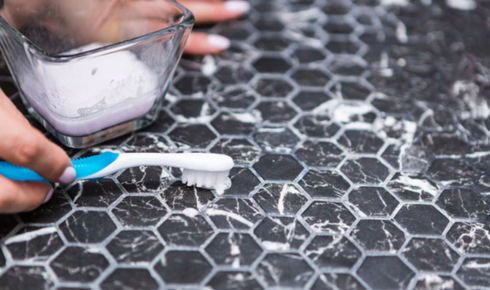
In many cases, this residue isn’t simply dirt. It’s often a combination of minerals and soap scum that forms when soap reacts with minerals present in the water. The result is a stubborn film that clings to glass, tile, bathtubs, and fixtures.
Anyone who has spent a Saturday morning scrubbing shower doors knows exactly how frustrating this can be.
Related reading: A Better Approach to Hard Water: Choosing the Right System for Your Home
The challenge isn’t necessarily poor cleaning habits. Sometimes the water itself is making cleaning much harder than it needs to be.
Small Clues Hidden Throughout the House
Water quality problems don’t always announce themselves loudly.
Cloudy glasses, stiff laundry, dull-looking silverware, and reduced soap lather can all indicate underlying issues. These small signs often appear long before homeowners notice larger concerns involving plumbing or appliances.
Related reading: Why Better Water Starts with Smarter Choices at Home and Work
Even the way cleaning products perform can change depending on water conditions. Some people find themselves using more detergent, more shampoo, or more cleaning products just to achieve the same results they expect.
Over time, those added costs and inconveniences begin to add up.
When Water Affects Personal Comfort
One area where water quality becomes especially noticeable is personal care.
Many people experience dry skin after showering and simply assume it’s caused by weather, age, or seasonal changes. While those factors certainly matter, water quality can also play a significant role.
Water containing elevated mineral content may leave residue on the skin after bathing. Some individuals notice that their skin feels tight or less hydrated, while others find their hair becoming difficult to manage.
Of course, every person responds differently. But it’s not uncommon for homeowners to notice improvements in comfort after addressing water-related issues.
The connection between water and wellness isn’t always obvious, but it’s often stronger than we realize.
The Hidden Impact on Appliances
Most household appliances rely heavily on water. Dishwashers, washing machines, water heaters, coffee makers, and refrigerators all depend on clean, properly conditioned water to function efficiently.
When water contains excessive minerals, internal components can gradually become coated with residue. This buildup may reduce efficiency and increase wear over time.
The process happens slowly. In fact, many homeowners don’t notice any problems until an appliance begins underperforming or requires unexpected repairs.
That’s why preventative attention to water quality can be so valuable. It addresses issues before they develop into larger, more expensive concerns.
Understanding Mineral Buildup
One of the most common consequences of untreated water is the formation of mineral deposits throughout a home’s plumbing and fixtures.
These deposits often appear as white or chalky residue around faucets, showerheads, and sink drains. What homeowners see on the surface is only part of the story.
The same minerals can accumulate inside pipes, water heaters, and appliances where they’re far less visible. Over time, these hidden deposits may restrict water flow and reduce operational efficiency.
It’s a bit like cholesterol in arteries. You may not notice the problem immediately, but gradual accumulation can eventually affect performance.
This is why many water treatment professionals emphasize prevention rather than waiting until problems become severe.
Better Water Creates Better Everyday Experiences
One of the most overlooked benefits of improving water quality is the cumulative effect on daily routines.
Showers feel more enjoyable. Cleaning becomes easier. Laundry looks brighter. Dishes come out of the dishwasher with fewer spots. These aren’t dramatic transformations that happen overnight, but they’re improvements that people often appreciate once they experience them.
What’s interesting is that homeowners frequently report noticing these everyday benefits before they notice any technical improvements.
The practical side of water quality matters, but so does comfort and convenience.
Finding Solutions That Fit Your Home
Not every household faces the same water challenges. Conditions vary based on geography, water source, infrastructure, and local mineral content.
This is why testing is often the smartest first step. Rather than guessing, homeowners can identify specific issues and select treatment options designed to address those exact concerns.
A solution that works perfectly in one area may not be necessary in another. Understanding your water helps ensure that any investment provides meaningful results.
The goal isn’t to create perfection. It’s to make daily life easier and reduce unnecessary frustrations.
Looking Beyond the Faucet
Water is one of the few things we interact with dozens of times every single day. We drink it, cook with it, clean with it, and rely on it for countless household tasks.
Because it’s so familiar, we rarely stop to think about its quality until problems become impossible to ignore.
Yet paying attention to water quality can lead to noticeable improvements throughout a home. From reducing cleaning time to improving comfort and protecting appliances, the benefits often extend much further than people expect.
At the end of the day, better water isn’t really about pipes, minerals, or treatment equipment. It’s about creating a home that works a little more smoothly, feels a little more comfortable, and demands a little less effort from the people living in it. Sometimes the smallest improvements make the biggest difference.