
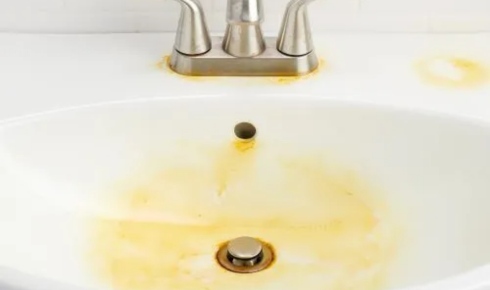
Water can seem harmless when it runs clear. You turn on the tap, fill a glass, rinse the dishes, start the washer, and carry on with the day. But water has a funny way of leaving evidence behind. A chalky ring around the faucet. Orange stains in the sink. A sharp smell when you pour a glass. None of it feels dramatic at first, but it can slowly turn into a daily irritation.
The tricky part is that water problems are not always obvious. Some show up in taste. Others appear on fixtures, laundry, skin, hair, or appliances. And sometimes the water looks perfectly fine while still carrying minerals or chemicals that affect how it behaves inside your home.
Clear Water Can Still Cause Problems
Related reading: How Modern Water Softeners Make Everyday Home Life Easier
Many homeowners judge water by sight alone. If it is not brown, cloudy, or full of particles, they assume everything is okay. That is understandable, but not always accurate. Water can be clear and still contain minerals, iron, chlorine, or other elements that make it unpleasant to use.
You might notice your soap does not lather well. Your shower glass gets spotted quickly. Your white clothes slowly turn dull. Your coffee tastes a little off. These small signs often tell a bigger story about what is moving through your pipes.
Water quality is not just about safety. It is also about comfort, cleaning, appliance protection, and the simple pleasure of drinking water that tastes fresh.
Related reading: A Smarter Approach to Cleaner Water at Home
The Everyday Trouble With Mineral Buildup
One of the most common household water issues is hard water. It usually contains higher levels of calcium and magnesium, which can leave scale on faucets, showerheads, kettles, and inside water-using appliances.
At first, scale looks like a cleaning problem. You wipe it away, it comes back, and you repeat the cycle. But over time, mineral buildup can affect water heaters, dishwashers, washing machines, and plumbing fixtures. Appliances may need to work harder. Soap and shampoo may feel less effective. Laundry can come out stiff, and skin may feel dry after showering.
Related reading: A Better Approach to Hard Water: Choosing the Right System for Your Home
It is not always a crisis, but it is annoying. And when ignored for years, it can become expensive.
Why Iron Stains Are So Frustrating
Iron in water has a way of making itself known. It may leave reddish, brown, or orange stains around drains, toilets, tubs, and laundry. Sometimes it gives water a metallic taste. In some homes, especially those with wells, iron can also affect smell and clarity.
Related reading: Why Better Water Starts with Smarter Choices at Home and Work
High iron levels can be especially frustrating because regular cleaning does not always solve the problem. You scrub the stain, it fades, then it returns because the source is still in the water. White laundry may look dingy. Bathroom fixtures can appear older than they really are. Even tea or coffee can taste strange.
The right treatment depends on the type and amount of iron present. That is why testing matters. Guessing with store-bought filters may not be enough if the water has a serious iron issue.
The Chlorine Taste Nobody Really Likes
Related reading: Why Understanding Your Home’s Water Can Improve Everyday Living
Municipal water is often treated with disinfectants before it reaches your home, and chlorine is one of the most familiar. It plays an important role in public water treatment, but once the water is at your tap, many people do not enjoy the smell or taste.
Elevated chlorine levels can make drinking water feel harsh, almost like a swimming pool. It can affect tea, coffee, soups, ice, and anything else made with tap water. Some people also notice that shower water smells stronger when hot water releases the odour into the air.
For many homes, carbon filtration can help reduce chlorine taste and smell. The difference is often simple but noticeable: water tastes cleaner, drinks taste better, and people stop relying so much on bottled water.
Why Testing Is the Smart First Step
Water treatment should begin with facts, not guesswork. A water test can show whether the main issue is hardness, iron, chlorine, sediment, pH, dissolved solids, or something else entirely. Without that information, it is easy to choose the wrong system.
A softener may help with minerals but not chlorine taste. A carbon filter may improve odour but not fix hardness. An iron filter may be needed for staining, while drinking water may require a separate solution. The best system depends on what the water actually contains.
Testing also helps avoid overspending. You do not need every possible filter if your water only has one or two specific concerns.
Different Homes Need Different Solutions
City water and well water often have different challenges. Municipal water may have chlorine taste, hardness, or sediment from aging pipes. Well water may bring iron, manganese, sulphur smell, bacteria concerns, or changing mineral content depending on the ground and season.
Even neighbours can have different water results. One house may deal with scale, while another fights iron staining. A newer property may have different plumbing conditions than an older one down the road.
That is why one-size-fits-all treatment rarely works perfectly. A proper setup should match the home, the water source, and the way the household uses water.
Better Water Makes Daily Life Easier
When water problems are treated properly, the improvement is not always loud. It shows up in small, satisfying ways. The showerhead stays cleaner. Glassware has fewer spots. Coffee tastes smoother. Laundry feels better. The bathroom sink does not need constant scrubbing. Appliances may perform more efficiently because they are not fighting scale or buildup all the time.
These changes may sound ordinary, but ordinary things matter when they happen every day. Water touches almost every part of the home, so better water can quietly improve a lot of routines.
Listen to the Clues Your Water Is Giving You
Your tap water may not speak, but it does leave clues. Scale, stains, odours, odd taste, dull laundry, and dry skin can all point to issues worth checking. The answer is not to panic or buy the biggest system available. The answer is to test first, understand the problem, and choose treatment that fits.
Good water should be easy to live with. It should taste clean, work well with soap, protect your appliances, and leave fewer marks behind. Once the right solution is in place, you may not think about your water much at all.
And honestly, that is usually the best sign.