
Good water is easy to take for granted. You turn on the kitchen tap, fill a glass, make coffee, cook dinner, and never give much thought to what’s actually coming through the pipes. Then one day the water tastes strange, leaves spots on your dishes, or develops an odor. Suddenly, water quality becomes a very real household concern.
Choosing a water treatment system doesn’t have to mean becoming an expert in chemistry. But it does mean understanding your water, knowing what you want to improve, and choosing equipment that matches those needs. There are plenty of options available, from simple drinking-water filters to more advanced treatment systems. The trick is figuring out which one makes sense for your home.
Start With the Water You Already Have
Before buying equipment, find out what’s happening with your water. This sounds obvious, but it’s probably the step homeowners skip most often.
Related reading: Choosing the Right Water Filtration System Without Feeling Overwhelmed
Water quality can vary considerably depending on whether your home receives municipal water, well water, or another supply. Hardness, sediment, chlorine, dissolved minerals, and microorganisms can all affect water in different ways. And just because water looks clear doesn’t mean everything is fine.
A basic water analysis can provide useful clues. You may discover that the main issue is hardness rather than contamination, or that an unpleasant taste is linked to chlorine. Once you know the problem, selecting treatment becomes much less of a guessing game.
When Reverse Osmosis Makes Sense
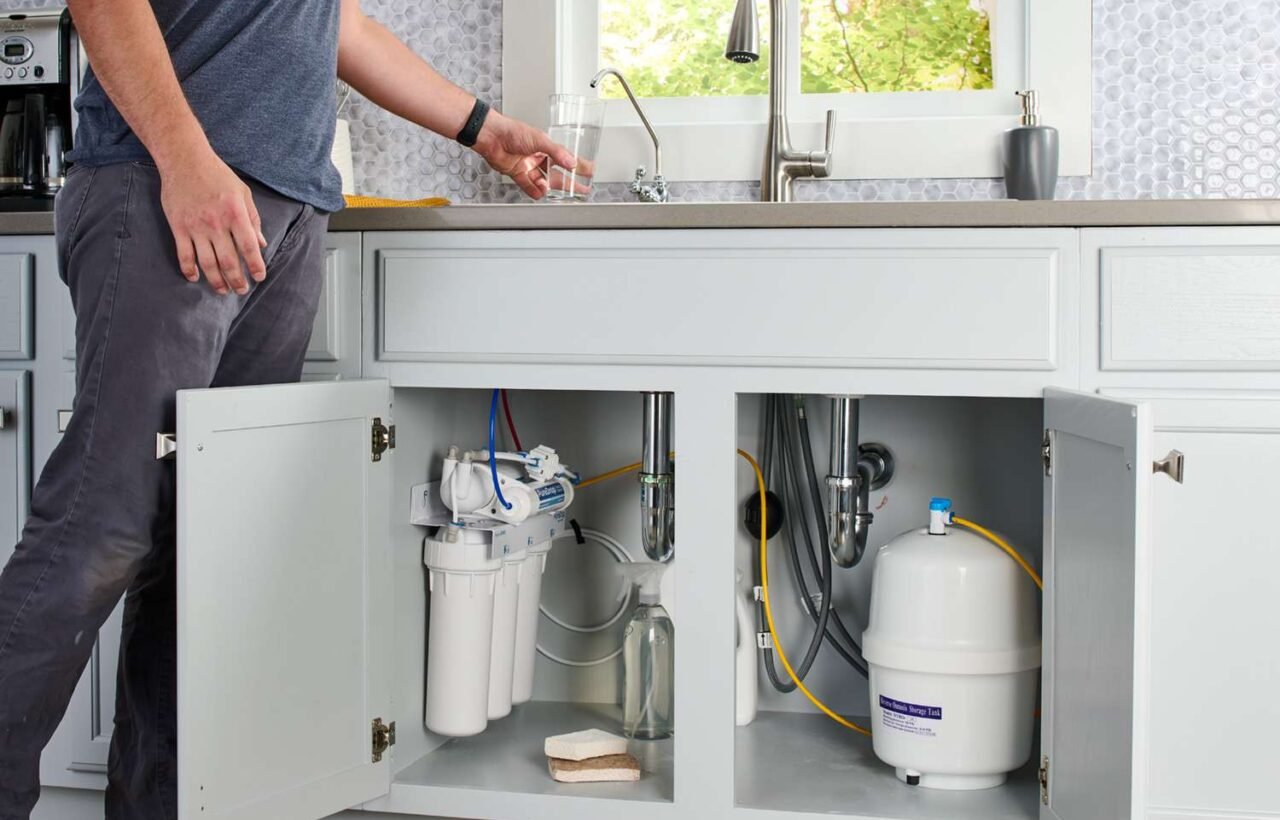
For drinking and cooking water, one popular option is a reverse osmosis system. reverse osmosis systems use a semipermeable membrane to reduce a range of dissolved substances from water. They are commonly installed under a kitchen sink or incorporated into dedicated drinking-water setups.
Related reading: Why the Right Drinking Water System Can Change Your Daily Routine
The appeal is fairly simple: when properly selected and maintained, reverse osmosis can produce noticeably cleaner-tasting water. Many people also appreciate the added confidence that comes with treating their drinking water separately.
There are trade-offs, though. Reverse osmosis systems can produce some wastewater during operation, require filter and membrane replacement, and may need adequate water pressure to perform properly. They aren’t necessarily the right answer for every household or every water-quality issue.
That’s why the question shouldn’t be, “Is reverse osmosis good?” A better question is, “Is reverse osmosis appropriate for what’s actually in my water?”
Related reading: A Better Approach to Hard Water: Choosing the Right System for Your Home
Testing Isn’t Just for Professionals
You don’t always need a laboratory for every basic question. Home water-testing products can help homeowners understand some common characteristics, especially when used as an initial screening tool.
Today’s test kits & accessories can be useful for checking things such as pH, hardness, chlorine, or other selected water-quality indicators, depending on the specific kit. They’re convenient and can give you a quick snapshot of what’s happening.
Still, don’t treat a home test as a perfect diagnosis. Test strips can be affected by technique, storage, timing, and other factors. If you’re dealing with a serious contamination concern or unusual results, laboratory testing is the smarter route.
Related reading: A Smarter Approach to Cleaner Water: Balancing Treatment, Comfort, and Cost
Think of a home kit as a flashlight, not a full medical scan. It can help you see where to look next.
UV Treatment Has a Different Job
Not every water treatment technology works in the same way. This is particularly important when comparing filtration with ultraviolet disinfection.
UV systems use ultraviolet light to help deactivate microorganisms as water passes through a treatment chamber. They can be especially useful in applications where microbial quality is a concern, including certain private-water supplies.
Related reading: Choosing the Right Water Heater: When Repair Isn’t Enough and Replacement Makes Sense
However, UV treatment doesn’t remove sediment, dissolved minerals, or many chemical contaminants. In many installations, water needs to be filtered before reaching the UV chamber. If the water is cloudy or contains suspended particles, UV effectiveness can be affected.
So, again, one piece of equipment shouldn’t be expected to solve every possible water problem. Good treatment design is usually about combining the right technologies in the right order.
Think About the Whole Household
One of the biggest decisions is whether you want to treat drinking water only or water throughout the property.
A kitchen filter may be enough if your concern is mainly taste and drinking quality. But if you’re experiencing sediment throughout the house, staining, or other issues at multiple fixtures, a broader treatment approach may be worth considering.
Whole-home systems can protect more than just drinking water. Depending on the technology, they may help improve water used for bathing, laundry, cleaning, and cooking. There’s also a practical benefit: you don’t have to remember which faucet is filtered every time you fill a bottle.
Of course, larger systems generally require more planning, space, and maintenance. Installation should account for household water demand and available plumbing connections.
Maintenance Is Part of the Deal
A water treatment system only works well when it’s maintained. This isn’t the glamorous part, admittedly, but it’s important.
Filters eventually become saturated. Membranes need replacement. UV lamps have service lives. Storage tanks, housings, and other components may need inspection or cleaning. Ignoring maintenance because “the water still looks fine” can lead to reduced performance.
Before purchasing a system, ask how often consumables need replacement and whether those parts are readily available. Also check whether maintenance can realistically fit your routine.
A system that requires complicated servicing every few months might not be the best choice for someone who wants something simple. On the other hand, a more involved system can be perfectly reasonable if the water problem justifies it.
Don’t Choose Equipment Based Only on Price
The cheapest system isn’t always the least expensive option in the long run.
Consider the full cost: initial equipment, installation, replacement filters, electricity where applicable, servicing, and eventual component replacement. A system with inexpensive cartridges but poor durability may end up costing more over several years.
It’s also worth paying attention to manufacturer specifications. Look for clear information about flow rates, filtration capabilities, replacement schedules, and limitations. Be wary of vague promises that suggest one device can remove “everything.” Water treatment simply isn’t that straightforward.
A reputable installer or supplier should be comfortable explaining why a particular technology has been recommended. If someone can’t explain what a system does and doesn’t do, that’s a yellow flag.
Water Pressure and Flow Matter More Than You’d Think
Imagine installing a beautiful new filtration system, only to discover that the shower pressure feels noticeably weaker. Not exactly the upgrade you had in mind.
Every treatment system introduces some degree of resistance to water flow. Before installation, consider the household’s peak water demand. Multiple showers, laundry machines, dishwashers, and faucets running together can place considerable demands on a system.
Proper sizing matters. A professional can assess flow requirements and determine whether additional equipment, larger connections, or pressure considerations need to be addressed.
A Little Research Can Save a Lot of Frustration
Water treatment isn’t about buying the most sophisticated equipment available. It’s about matching the solution to the problem.
Start by understanding your water source. Test when appropriate. Identify the contaminants or characteristics you actually want to address. Then compare technologies based on performance, maintenance, cost, and household requirements.
For one home, a simple drinking-water filter may be all that’s needed. Another property may benefit from reverse osmosis, UV treatment, softening, sediment filtration, or a combination of approaches.
The important thing is not to chase a perfect-sounding product. Aim for a sensible system that fits your water, your budget, and your everyday life.
After all, water treatment should make life easier—not turn your kitchen into a science laboratory. With the right information and a little thoughtful planning, cleaner, better-tasting water can become one of those improvements you barely notice because it simply works.