
Well water has a certain charm to it. There is something honest and grounded about getting your water from your own source, especially if you live outside the bustle of city supply lines. For many homeowners, a private well feels dependable for years. You turn on the tap, fill the coffee pot, wash the dishes, water the garden, and don’t think much about it.
Until something changes.
Maybe the water pressure drops a little. Maybe the washing machine starts leaving clothes looking dull. Perhaps the water tastes earthy after heavy rain, or tiny particles appear in a glass when the light hits it just right. These signs can seem small at first, easy to brush aside. But with well water, small changes often deserve attention.
Related reading: A Better Approach to Hard Water: Choosing the Right System for Your Home
Unlike municipal water, private wells are not monitored and adjusted by a city treatment plant every day. That responsibility sits with the homeowner. It is not a bad thing, really. It just means the water needs regular care, the same way a roof, septic system, or heating unit does.
When Clear Water Still Has a Problem
One of the most misleading things about water is how clean it can look. A glass may appear perfectly clear while still carrying minerals, grit, organic material, iron, bacteria, or other elements that affect how the water works in the home.
Sometimes the issue shows up in the sink. Other times, it hides inside pipes, appliances, valves, water heaters, and fixtures. You may not notice anything dramatic until the buildup has already been working behind the scenes for a while.
Related reading: The Hidden Ways Hard Water Affects Your Home Every Single Day
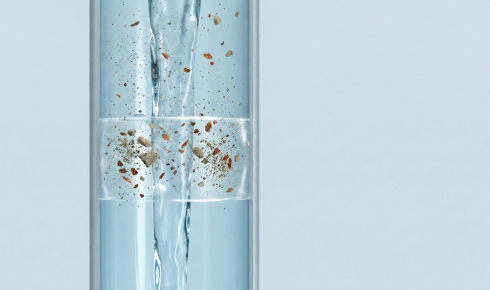
This is especially true with sediment buildup, which can come from sand, silt, clay, rust flakes, or other tiny particles entering the water supply. Over time, sediment can clog filters, damage appliances, reduce water flow, and make water feel less clean even when it is not visibly dirty.
Why Guessing Can Get Expensive
A common mistake homeowners make is trying to fix well water problems by guessing. They buy a filter online, install it, and hope it solves everything. Sometimes it helps a little. Sometimes it does not touch the real problem.
Water issues can look similar but have very different causes. Staining may come from iron, manganese, old pipes, or other minerals. Bad smells may come from bacteria, sulfur gases, plumbing issues, or the water heater. Cloudiness may be caused by air bubbles, sediment, or dissolved minerals.
Related reading: A Smarter Approach to Cleaner Water: Balancing Treatment, Comfort, and Cost
That is why a detailed water test matters before choosing any treatment system. Testing helps identify what is actually present in the water, instead of relying on appearance, taste, or guesswork. It gives homeowners a starting point that is based on facts, not frustration.
The Well Itself Needs Attention Too
Many people think of water treatment as something that happens inside the house, usually in a garage, utility room, or basement. But the well itself matters too. The condition of the well casing, pump, pressure tank, and surrounding land can all affect water quality.
Heavy rain can carry surface materials toward the well area. Drought can change groundwater levels. Nearby construction or landscaping may disturb soil. Older wells may develop small issues that slowly affect the water supply.
Related reading: When Your Water Is Affecting More Than You Realize
Even the location of the well cap matters. If it is damaged, loose, buried, or poorly sealed, unwanted material may find its way in. That is why regular inspection is a smart habit, not just something to do when water suddenly turns brown.
Treatment Should Fit the Water, Not the Other Way Around
There is no universal well water solution that works perfectly for every property. Some homes need sediment filtration. Others need softening, iron removal, pH correction, disinfection, carbon filtration, or reverse osmosis for drinking water. Many wells need more than one stage of treatment.
The best approach is usually practical and layered. First, remove larger particles. Then treat specific minerals or contaminants. Finally, improve taste, odour, or drinking water quality if needed. The setup should match the test results and the way the household actually uses water.
Related reading: How Modern Water Softeners Make Everyday Home Life Easier
That is where customized well water treatment systems become valuable. Instead of forcing a generic solution onto every home, they are designed around the property’s water conditions, family size, plumbing setup, and long-term maintenance needs.
Signs Your Well Water Needs a Closer Look
Some signs are easy to notice. Water that smells like rotten eggs, stains sinks orange, leaves black marks, or tastes metallic should be tested. Cloudy water, gritty texture, low pressure, or sudden changes after a storm also deserve attention.
Other signs are quieter. Appliances may need repairs more often. Faucets may clog. Showerheads may lose flow. White clothing may look dull. Coffee may taste slightly off, even when everything else seems normal.
It is worth paying attention to these little annoyances because water touches almost everything in the home. It moves through pipes, fills appliances, cleans dishes, washes clothes, and ends up in the food and drinks your family consumes daily.
Maintenance Is Part of the Solution
Installing a treatment system is not the end of the story. Filters need changing. Tanks may need service. Settings may need adjusting. Water should be retested from time to time, especially if conditions change.
A good system should be easy enough to understand. Homeowners do not need to become water chemistry experts, but they should know what their system does, how often it needs maintenance, and what warning signs to watch for.
Skipping maintenance can allow old problems to return. In some cases, it can also shorten the life of the equipment. A little routine care usually costs far less than repairing appliances, replacing plumbing parts, or dealing with unpleasant water again.
Better Well Water Makes the Whole Home Feel Better
When well water is properly treated, the difference often shows up in everyday life. Showers feel cleaner. Laundry looks fresher. Glasses come out clearer. Coffee tastes better. Fixtures stay cleaner longer. Water pressure may even improve if sediment was clogging the system.
It is not always a flashy upgrade, but it is a meaningful one. Better water makes a home easier to live in. It reduces worry, protects equipment, and gives families more confidence every time they turn on the tap.
Well water can be a great resource, but it should never be ignored just because it has worked fine in the past. Test it, watch for changes, and treat it based on what the water actually needs. That is how a private well stays reliable, useful, and trusted for years to come.