
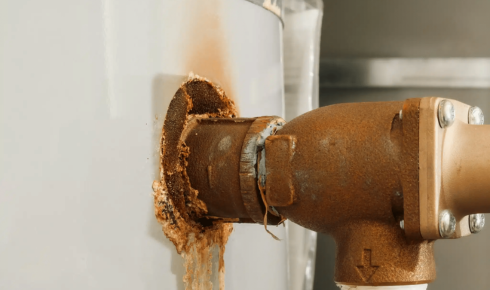
The Problem Usually Starts Small
Most homeowners don’t wake up one morning thinking about the chemistry of their tap water. Honestly, why would they? Water is supposed to be simple. You turn on the tap, fill a glass, rinse the dishes, take a shower, and move on with your day. It’s only when something looks odd — a blue-green stain near the drain, a rusty mark on the sink, cloudy water in a glass — that the little alarm bell starts ringing.
The trouble is, water issues often begin quietly. A slight metallic taste. A faint smell. A bit of staining around the faucet that keeps coming back no matter how much you scrub. These signs may seem cosmetic at first, but they can point to deeper corrosion problems inside the home’s plumbing system.
Corrosion doesn’t usually announce itself loudly. It works slowly, almost politely, wearing away at metal pipes, fittings, and connections over time. By the time a leak appears or a fixture starts failing, the issue may have been building for months, sometimes years.
Related reading: How Modern Water Softeners Make Everyday Home Life Easier
What Corrosion Really Means for a Home
Corrosion is basically the gradual breakdown of metal when it reacts with water, oxygen, minerals, or chemicals. In a home, that often means pipes and fittings are being affected by the water moving through them every single day.
Certain conditions can make corrosion worse. Water that is too acidic, high in dissolved oxygen, rich in certain minerals, or treated with strong disinfectants may be more aggressive toward metal surfaces. Even temperature and water flow can play a part. Hot water systems, for example, sometimes show signs earlier because heat can speed up reactions.
And no, this doesn’t mean every home with older pipes is in danger tomorrow morning. But it does mean that ignoring signs can become expensive. A small pinhole leak behind a wall can create dampness, mould concerns, damaged drywall, and repair bills that nobody planned for. That’s the annoying thing about water damage — it rarely stays in one place.
Related reading: A Smarter Approach to Cleaner Water at Home
The Visible Clues Around the House
One of the easiest places to spot early water-related damage is around sinks, tubs, showers, and laundry areas. Stains may show up as green, blue, orange, brown, or chalky white marks. Sometimes they clean off for a while, then return like they pay rent.
Your plumbing fixtures can tell a surprisingly detailed story if you know what to look for. Faucets that tarnish quickly, showerheads that clog, drains with stubborn staining, or valves that feel stiff may all suggest something unusual is happening in the water or pipes.
Of course, not every stain means corrosion. Hard water can leave white scale. Iron can create reddish-orange marks. Manganese may leave darker staining. But when stains appear alongside metallic taste, low pressure, pipe leaks, or blue-green marks, it’s worth taking the issue seriously.
Related reading: A Better Approach to Hard Water: Choosing the Right System for Your Home
Why Guessing Usually Wastes Money
A common mistake is buying a random filter or cleaner and hoping it fixes everything. That’s understandable. Nobody wants to turn a small stain into a full home project. But water problems are not all the same, and the wrong solution may do very little.
For example, a basic carbon filter may improve chlorine taste and odour, but it may not correct acidic water. A water softener can help with hardness, but it is not designed to solve every corrosion issue. A cleaning product may remove the stain from the sink, but it won’t stop the cause if the problem is happening inside the pipe.
That’s why testing matters. A proper water test can measure pH, hardness, iron, copper, total dissolved solids, chlorine, and other factors depending on the home’s supply. Once you know what’s actually in the water, choosing the right treatment becomes much easier.
Related reading: Why Better Water Starts with Smarter Choices at Home and Work
The Bigger Picture: Comfort, Safety, and Cost
People often think of water treatment only in terms of drinking water, but its impact is much wider. Water touches almost everything in the house. It runs through the water heater, dishwasher, washing machine, ice maker, toilets, showers, outdoor taps, and every faucet in between.
Good water quality can help protect the home, improve comfort, and reduce everyday frustration. Better-balanced water may be gentler on pipes and fixtures, easier on appliances, and more pleasant for bathing and cleaning. It may also reduce staining, odours, and the constant feeling that your home never looks fully clean even after you’ve just cleaned it.
There’s also the cost side. Replacing faucets, repairing leaks, flushing water heaters, changing appliances early, or fixing damaged walls can add up quickly. Preventing problems is usually less stressful than reacting to them later.
Related reading: Why Understanding Your Home’s Water Can Improve Everyday Living
City Water and Well Water Both Need Attention
Many homeowners assume city water is always problem-free because it is treated before reaching the house. City water is generally monitored, yes, but that doesn’t mean it is perfectly matched to every home’s plumbing. Water can still pick up metals from older pipes, react with household plumbing, or contain disinfectants that affect taste and smell.
Well water is a different story. Private wells can be influenced by soil, rock, nearby land use, seasonal changes, and the condition of the well itself. Homeowners with wells usually need to be more proactive because testing and maintenance are their responsibility.
In both cases, water can change over time. A system that worked fine five years ago may not be performing the same way today. Pipes age. Municipal treatment methods change. Groundwater conditions shift. Nothing about water is completely frozen in place.
When to Call a Professional
If you notice recurring stains, metallic-tasting water, unexplained leaks, low pressure, cloudy water, or unusual smells, it’s smart to get help rather than keep guessing. A professional can inspect visible plumbing, test the water, and recommend a practical solution based on the actual issue.
Sometimes the answer is simple: replace an old cartridge, adjust treatment equipment, flush a system, or install a neutralizer. Other times, the home may need a more complete filtration or conditioning setup. The right choice depends on the water source, test results, pipe material, and household needs.
A Home Feels Better When the Basics Are Right
Water is one of those background parts of life that quietly affects everything. When it’s right, you barely notice it. When it’s wrong, it shows up everywhere — in stains, smells, leaks, laundry, dishes, showers, and repair bills.
The best thing homeowners can do is pay attention early. Don’t panic over every little mark near the drain, but don’t ignore patterns either. Water leaves clues, and those clues are usually worth reading.
A cleaner, better-balanced water supply isn’t just about taste. It’s about protecting the home you live in every day, keeping small problems from growing teeth, and feeling a little more confident every time you turn on the tap.