
There’s a certain comfort in knowing that hot water will be there when you need it. A warm shower after a long day, hot water for washing dishes, clean clothes coming out of the machine—it’s easy to forget how much we rely on one relatively quiet appliance.
Then the water turns cold.
Maybe the heater has started making strange noises. Perhaps the hot water doesn’t last as long as it used to, or you’re finding rusty water around the tank. Sometimes the problem is obvious. Other times, the water heater simply seems to be getting tired.
Related reading: A Better Approach to Hard Water: Choosing the Right System for Your Home
At that point, homeowners often wonder whether they should repair the existing unit or start looking at a replacement. There isn’t one answer for every home, but understanding the signs can make the decision much easier.
When Your Water Heater Is Near the End
Water heaters don’t last forever. Even a well-maintained system eventually reaches a point where age begins to catch up with it.
Frequent breakdowns are one of the clearest warning signs. If you’re calling for repairs every few months, it’s worth stepping back and considering the bigger picture. The individual repairs might not seem expensive, but repeated service bills can quickly become frustrating.
Related reading: Choosing the Right Water Filtration System Without Feeling Overwhelmed
A leaking storage tank is another serious concern. If the tank itself has developed a leak, replacing the unit is often more practical than trying to repair the internal damage.
In situations like these, water heater replacement can offer a more dependable long-term solution, especially when the existing unit is already older and inefficient.
Don’t Ignore Strange Noises
A water heater shouldn’t sound like a popcorn machine.
Related reading: Why the Right Drinking Water System Can Change Your Daily Routine
Rumbling, popping, banging, or crackling noises can sometimes occur because sediment has collected inside the tank. Over time, minerals can settle at the bottom. The heating process then causes water trapped beneath the buildup to move and bubble, creating those familiar—and rather annoying—sounds.
A little noise doesn’t automatically mean the heater is about to fail tomorrow. But if the sounds are becoming louder or more frequent, it’s worth having the system inspected.
The same goes for unusual odors, discolored water, or noticeable changes in water temperature. Small changes often tell you more than a complete breakdown does.
Related reading: Finding the Right Water Treatment System Without Overcomplicating It
Gas or Electric: Which Makes More Sense?
When replacing a water heater, homeowners usually have several options. Two of the most common are gas and electric models.
Gas water heaters use a burner to heat the water and can be a practical choice in homes with an appropriate gas connection. They are often valued for their ability to heat water relatively quickly and may work well for households with substantial hot-water demand.
However, gas systems have additional installation and ventilation considerations. They need to be installed correctly, and combustion-related safety should never be treated casually.
Related reading: Why Better Water at Home Starts with the Right Whole-House Solution
Electric models operate differently and don’t require combustion or a gas flue. That can make them suitable for homes where gas isn’t available or where homeowners prefer an electric setup.
Neither option is automatically the winner. The right choice depends on energy availability, installation requirements, household usage, local utility costs, and the home’s existing infrastructure.
Why Electric Models Can Be Worth Considering
For many homeowners, electric water heaters are attractive because of their relatively straightforward installation and operation. They don’t burn fuel inside the home, and there’s no combustion exhaust to manage.
Electric units are available in different sizes, so choosing the correct capacity is important. A small household may not need a large storage tank, while a busy family could quickly run through a smaller unit’s supply during peak hours.
Energy efficiency should also be considered. A water heater that looks inexpensive at purchase may cost more to operate over many years, while a more efficient model may have a higher upfront price but lower ongoing energy use.
This is one reason it’s helpful to compare the total cost of ownership rather than looking only at the sticker price.
Sizing Is More Important Than People Think
One common mistake is assuming that a bigger water heater is always better.
It isn’t.
A tank that’s too large may use more energy than necessary to keep a large volume of water hot. A unit that’s too small, on the other hand, can leave everyone fighting over the last warm shower.
Think about your household routine. How many people live in the home? When do most showers happen? Do you regularly use the washing machine and dishwasher at the same time? Are there multiple bathrooms?
These everyday details help determine the appropriate capacity.
A qualified professional can assess your hot-water demand and recommend a system that matches how your household actually lives, rather than simply choosing a standard size.
Efficiency Isn’t Just About the Energy Bill
A modern water heater can affect more than monthly utility costs.
An aging unit may take longer to heat water, struggle during periods of heavy use, or lose efficiency because of sediment and component wear. A newer system may provide more consistent performance and include updated safety and efficiency features.
Still, replacement shouldn’t be based on marketing alone. Look at efficiency ratings, warranty coverage, maintenance requirements, expected lifespan, and installation costs.
The cheapest unit isn’t necessarily the cheapest one to own.
Professional Installation Matters
A quality water heater can still cause problems if it isn’t installed properly.
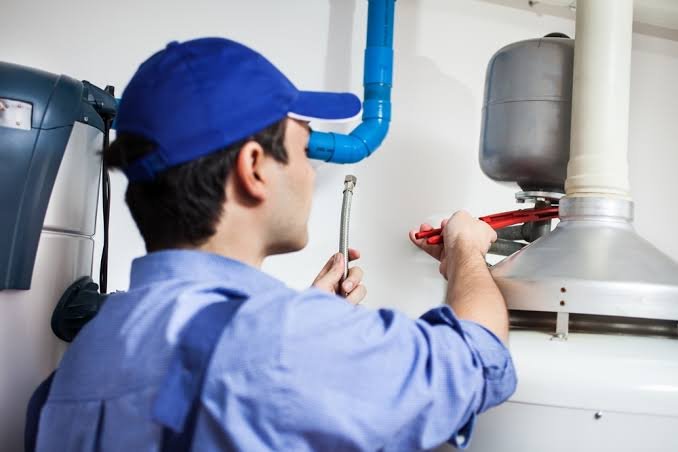
Installation involves more than connecting a few pipes. Depending on the system, there may be electrical requirements, gas connections, ventilation, temperature controls, pressure relief components, drainage considerations, and other safety details.
This is particularly important with gas-powered systems. Fuel-burning appliances need proper installation and ventilation to operate safely.
Professional installation also gives homeowners peace of mind that the system has been set up according to applicable requirements and manufacturer instructions.
Making the Decision Without Rushing It
Replacing a water heater is not the kind of purchase most people plan for. It usually happens because something has gone wrong, and suddenly you’re comparing models while standing in a cold shower.
If your existing heater is relatively young and has a simple, repairable issue, repairing it may be perfectly reasonable. But when the tank is old, repairs are becoming frequent, or efficiency has noticeably declined, replacement may make more financial sense.
Take a little time to compare your options, understand your home’s requirements, and ask questions before choosing.
A water heater isn’t particularly exciting. Nobody invites friends over to admire one. But choosing the right system—and installing it correctly—can quietly improve comfort, reliability, and energy use for years.
And when tomorrow morning’s shower is hot, steady, and completely uneventful, you’ll probably be glad you made the right call.